Email Anxiety: How to Deal With Email Overload and Make a Comeback With a Cleaner Inbox

Ayesha Ejaz Last updated on
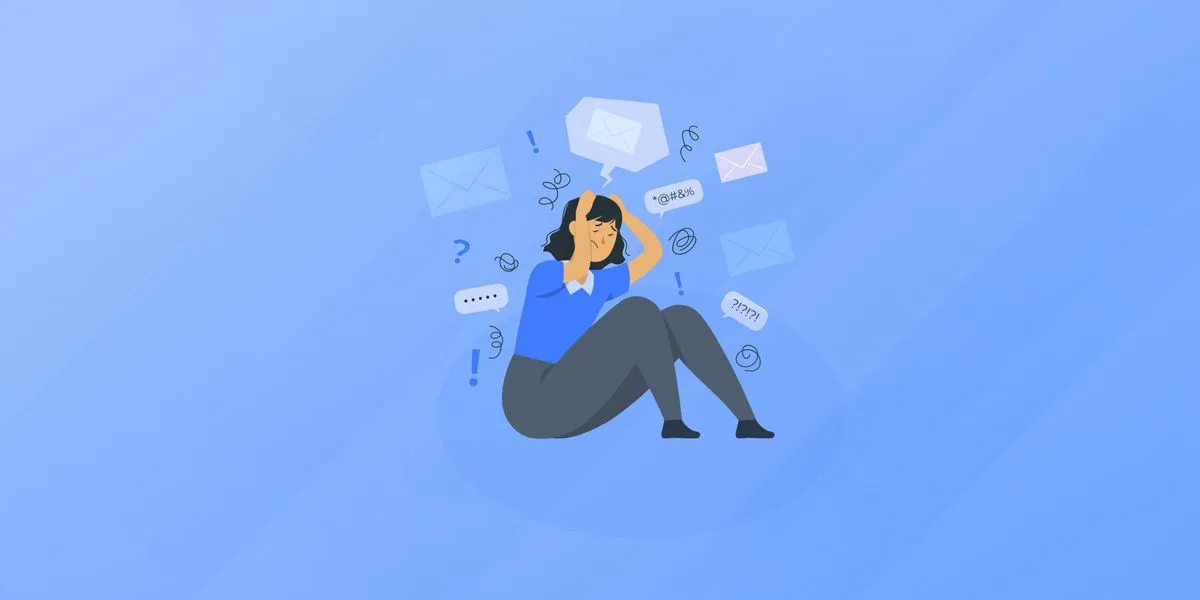
Email was designed to make communication easier and faster. Yet for many professionals, students, and remote workers, opening an inbox can trigger a surprising level of stress.
A long list of unread messages, unclear expectations, and pressure to respond quickly can turn a simple task into something overwhelming.
This experience is commonly referred to as email anxiety. It can lead to procrastination, avoidance, and even reduced productivity at work.
The good news is that email anxiety is manageable. By understanding what causes it and adopting a few practical strategies, you can regain control of your inbox and communicate with confidence.
Email Anxiety: What Is It?
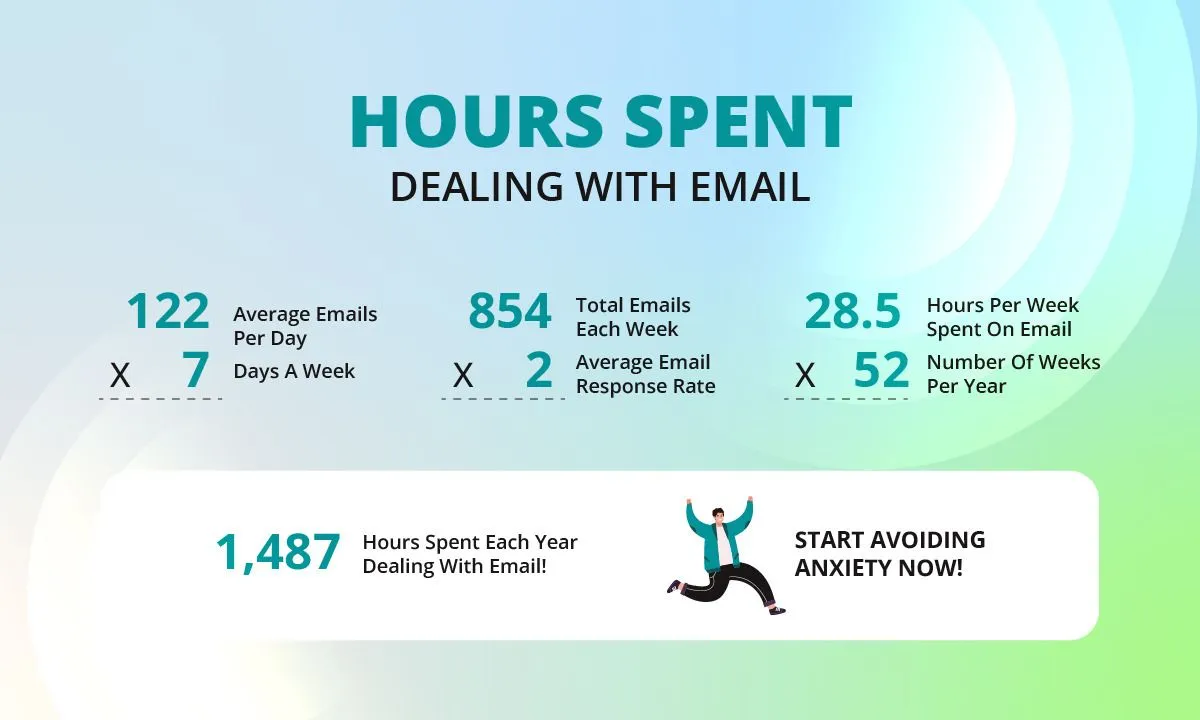
Email anxiety is the stress, worry, or fear associated with sending, receiving, or responding to emails. It often occurs when people feel overwhelmed by the volume of messages, unsure about how to respond, or concerned about being judged based on their written communication.
In professional environments, work email anxiety is especially common. Employees may feel pressure to respond quickly, craft the “perfect” message, or avoid misunderstandings in written communication.
For some individuals, this stress can become persistent. In extreme cases, people describe severe email anxiety, where simply seeing a notification or opening the inbox triggers tension.
The issue can also be connected with neurodivergent conditions. For example:
- ADHD email anxiety can occur when managing multiple threads and deadlines becomes mentally exhausting.
- Email anxiety autism discussions often highlight how unclear tone or vague expectations in emails can create confusion and stress.
- People experiencing text and email anxiety may feel similar pressure when communicating digitally.
Regardless of the cause, email anxiety is a real challenge that many people quietly deal with every day.
Common Signs of Email Anxiety
Email anxiety does not always appear in obvious ways. Often, it shows up through small behavioral patterns that gradually become habits.
Avoiding the Inbox for Long Periods
One of the most common signs of email anxiety avoidance is delaying inbox checks. Instead of opening emails regularly, people may avoid them for hours or even days because the task feels overwhelming.
Opening Emails Only When Necessary
Some individuals only open emails when absolutely required. This reactive approach can create a cycle where unread messages pile up, making the inbox feel even more intimidating.
Drafting Replies Without Sending Them
People experiencing work email anxiety often overthink their responses. They may write drafts repeatedly, trying to find the perfect wording, but delay sending the email out of fear that it might be misunderstood.
Feeling Tense or Overwhelmed When Faced With Emails
A sudden spike in stress when opening the inbox is another indicator. The moment the notification count appears, it can feel like an urgent list of tasks demanding immediate attention.
Feeling Guilty About Not Answering Emails
Many people with email anxiety disorder describe a persistent sense of guilt. Unanswered emails can feel like unfinished obligations, which may lead to self-criticism or pressure to “catch up.”
Misinterpreting Email Language
Because emails lack vocal tone and body language, readers sometimes assume negative intent. A short reply like “Noted.” or “Please revise.” may feel harsh even if the sender did not intend it that way.
Feeling Behind Even After Clearing the Inbox
Even after responding to messages, people with email anxiety may feel like they are still falling behind. New emails quickly replace the ones that were just answered, reinforcing the feeling of constant backlog.
What Causes Email Anxiety?
Several factors contribute to email anxiety. Often, it is not just one issue but a combination of communication expectations, workload, and uncertainty.
Slow Replies
Waiting for responses can create stress, especially when decisions depend on them. If someone does not reply quickly, it is easy to assume something went wrong.
On the other hand, delayed responses from your side may trigger worry about appearing unprofessional or careless.
Inbox Overload
One of the biggest triggers of work email anxiety is simply the volume of messages. Professionals may receive dozens or even hundreds of emails per day.
When the inbox becomes crowded, it can feel impossible to keep up. Each unread message represents another decision or action item.
Lack of Tone and Misunderstandings
Email communication lacks facial expressions, tone of voice, and immediate clarification. This can lead to misinterpretations.
A message meant to be neutral might be perceived as critical, while a polite request could feel demanding depending on the reader’s mindset.
For people who already experience text and email anxiety, this ambiguity can make communication feel risky.
How to Overcome Email Anxiety
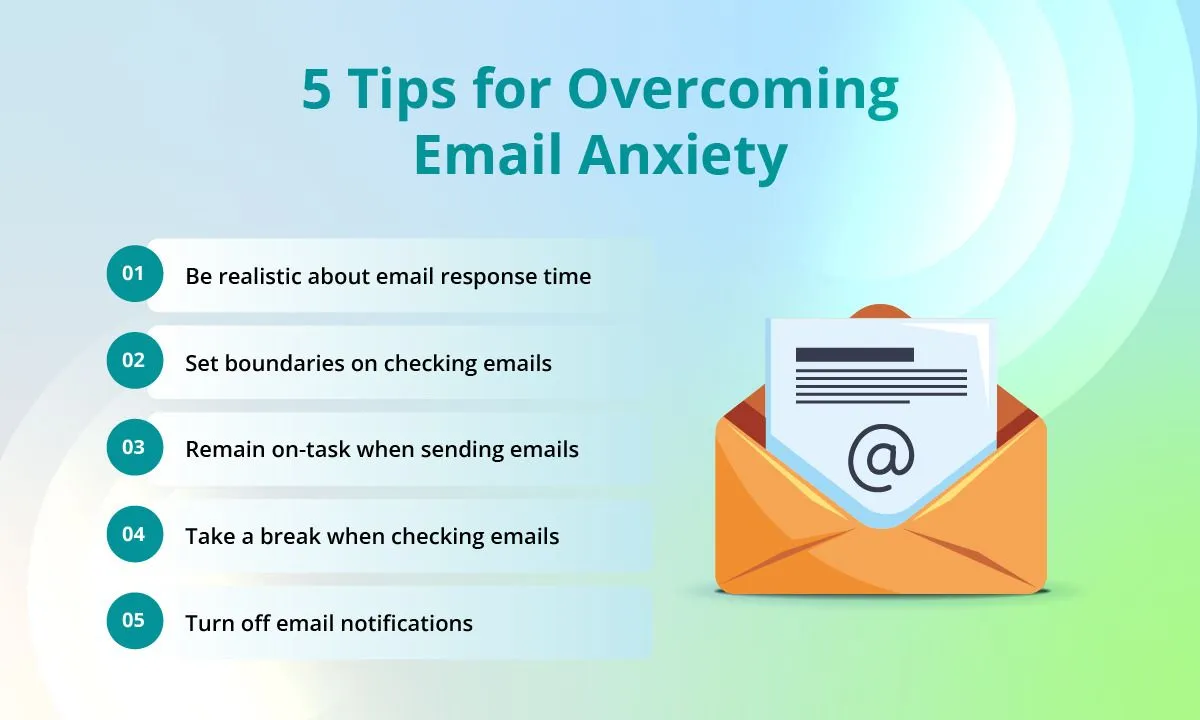
If you are wondering how to deal with email anxiety, the solution usually involves creating structure and removing unnecessary pressure from the process.
Small changes in how you approach email can significantly reduce stress.
Set Realistic Timelines
Many professionals feel obligated to reply immediately. In reality, most emails do not require instant responses.
Setting a reasonable expectation—such as replying within 24 hours—can remove unnecessary urgency. Let colleagues know your typical response window so they understand when to expect a reply.
Set Boundaries
Email should not dominate your entire workday. Establish boundaries around when you check messages.
For example:
- Morning inbox review
- Midday check-in
- End-of-day responses
This structure helps reduce the constant pressure to monitor notifications.
Make Things Clear
Clear communication reduces follow-up emails and misunderstandings.
When writing messages:
- State the purpose early
- Include relevant details
- Specify deadlines or next steps
Clarity benefits both the sender and the recipient.
Keep Things Short and Sweet
Many people experiencing email anxiety try to write extremely detailed responses to avoid confusion. Ironically, this can make writing emails more stressful.
A short, structured email is usually more effective. Focus on the key information rather than perfect phrasing.
Don’t Be Afraid to Ask Questions
If an email is unclear, asking for clarification is completely acceptable.
Instead of guessing what someone meant, a quick question can prevent misunderstandings and reduce unnecessary stress.
Further Tips to Help Deal With Email Anxiety
Beyond communication strategies, several productivity techniques can make managing email easier.
Use the 2-Minute Rule
If a message takes less than two minutes to answer, respond immediately.
This rule prevents small tasks from piling up and keeps the inbox manageable.
Use a Folder System
Organizing emails into folders or labels can make the inbox feel less chaotic.
Common categories include:
- Action Required
- Waiting for Reply
- Reference
- Archive
This structure helps prioritize important messages without losing track of them.
Create Batches
Instead of responding to emails one by one throughout the day, process them in batches.
Batching allows you to focus fully on email during a dedicated time period, which can reduce the mental fatigue associated with constant context switching.
Use the 5-5-5 Method
The 5-5-5 method is a simple mental exercise often recommended when dealing with anxiety.
Ask yourself:
- Will this email matter in 5 days?
- Will it matter in 5 months?
- Will it matter in 5 years?
This perspective helps reduce the pressure to craft the “perfect” response.
Reframe Your Mindset
Part of learning how to overcome email anxiety involves changing how you view email.
Instead of treating it as a constant stream of demands, think of email as a communication tool you control.
Not every message requires immediate attention, and most emails are far less critical than they appear.
Give Yourself a Graceful Out
If you feel overwhelmed after missing several emails, start with a simple acknowledgment.
A short response like:
“Thank you for your patience. I’m catching up on messages and will follow up shortly.”
This approach is professional and removes the pressure of crafting a long explanation.
Final Thoughts: You Are More Than Just Your Anxiety
Experiencing email anxiety does not mean you are unorganized or unprofessional. In fact, it often affects people who care deeply about their work and communication.
Learning how to get over email anxiety is not about eliminating email entirely, it is about developing healthier habits around how you manage it.
By setting boundaries, simplifying communication, and organizing your inbox, you can transform email from a source of stress into a manageable part of your routine.
Over time, these small adjustments can make opening your inbox feel far less intimidating and far more productive.