Email Engagement: The Complete Strategic Guide to Increasing Opens, Clicks, Conversions, and Revenue

Ayesha Ejaz Last updated on
Email marketing remains one of the highest-ROI digital channels. However, sustainable performance is no longer driven by list size or send volume. It is driven by email engagement.
Engagement determines:
- Whether your emails reach the inbox
- Whether subscribers interact with your content
- Whether campaigns convert into measurable revenue
- Whether your sender reputation strengthens or deteriorates
Modern mailbox providers prioritize engagement signals when filtering incoming mail. This makes engagement not just a marketing KPI, but a foundational operational metric.
This expanded guide explores email engagement from a strategic, analytical, and execution standpoint including measurement frameworks, optimization models, content strategy, segmentation architecture, and deliverability alignment.
What Is Email Engagement?
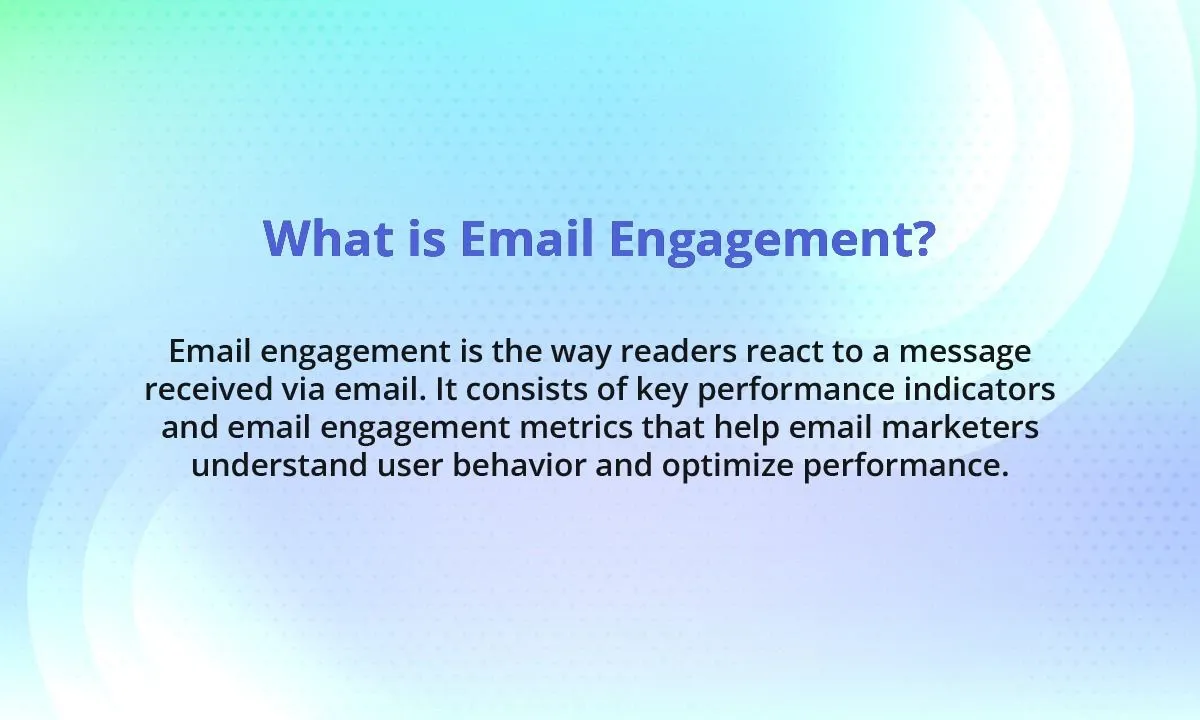
Email engagement refers to the measurable interactions subscribers have with your emails. It evaluates behavioral responses rather than simple delivery confirmation.
Instead of describing engagement in a single sentence, it is more useful to break it into actionable interaction categories.
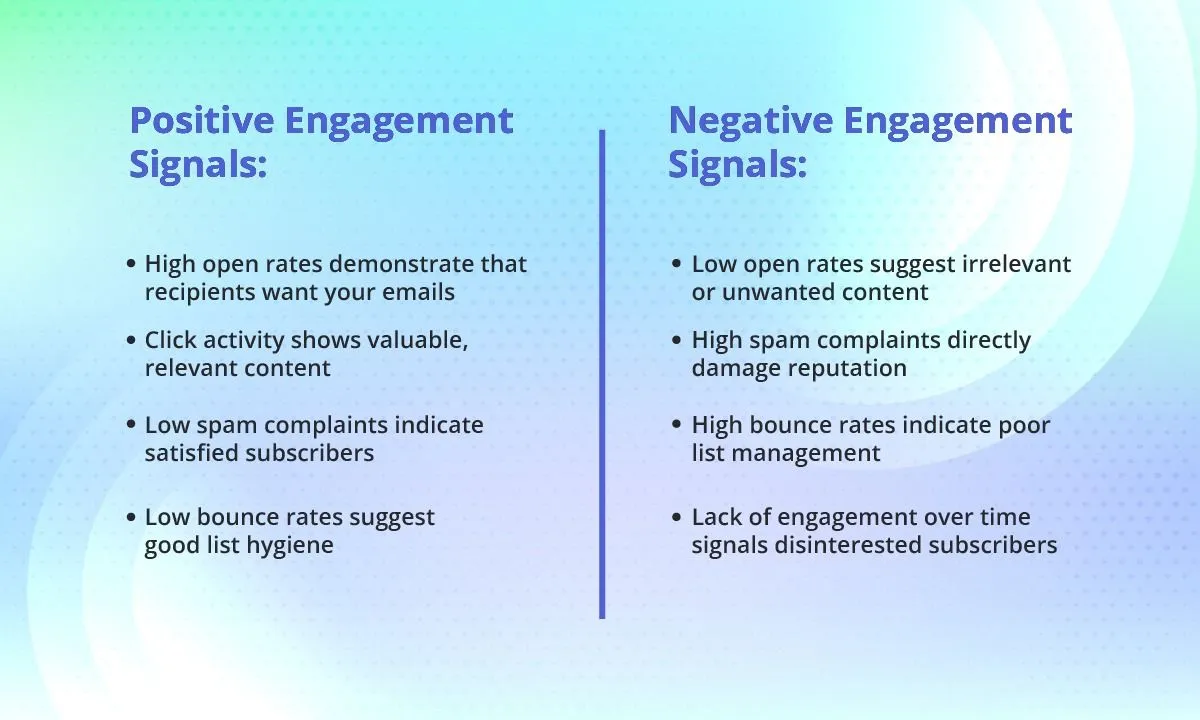
Core Engagement Signals
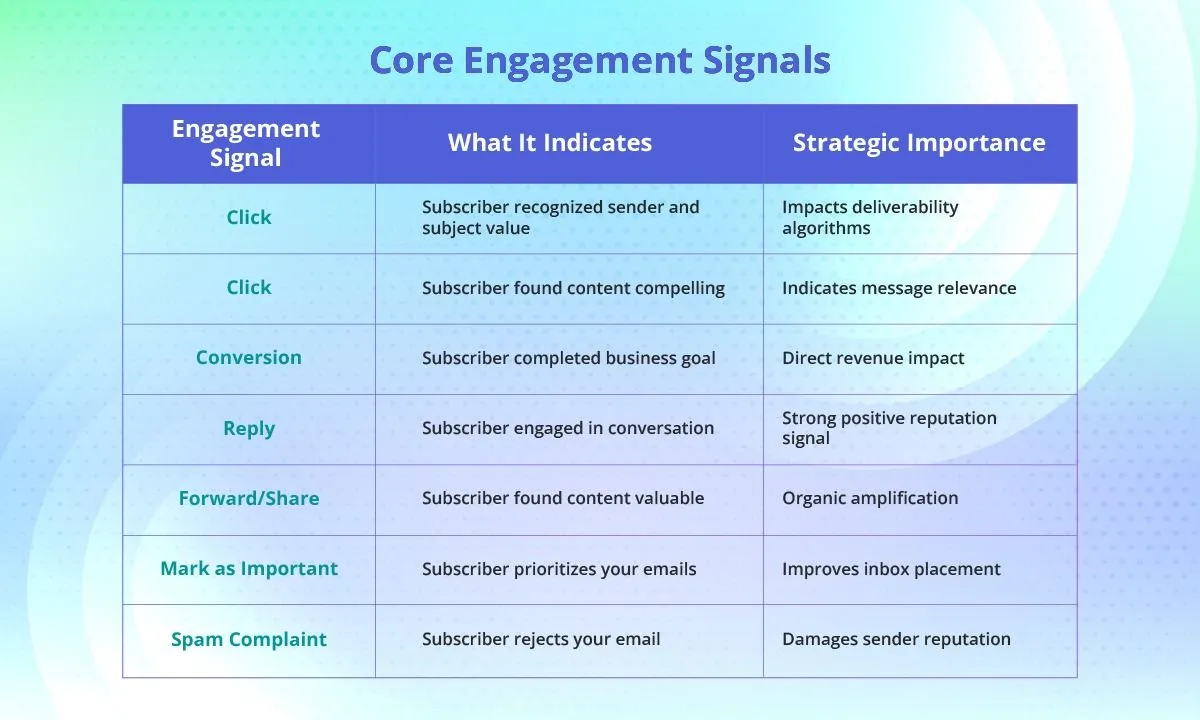
Engagement is best understood as a spectrum rather than a binary outcome. Subscribers move along this spectrum over time based on relevance, frequency, and perceived value.
Why Email Engagement Matters in 2026
Email engagement directly affects three operational pillars:
- Deliverability
- Revenue performance
- Database health
1. Deliverability and Inbox Placement
Mailbox providers evaluate:
- Historical open behavior
- Click activity
- Spam complaints
- Deletions without reading
- Reply frequency
If engagement is consistently low, inbox providers deprioritize your domain.
Engagement → Reputation → Placement Loop
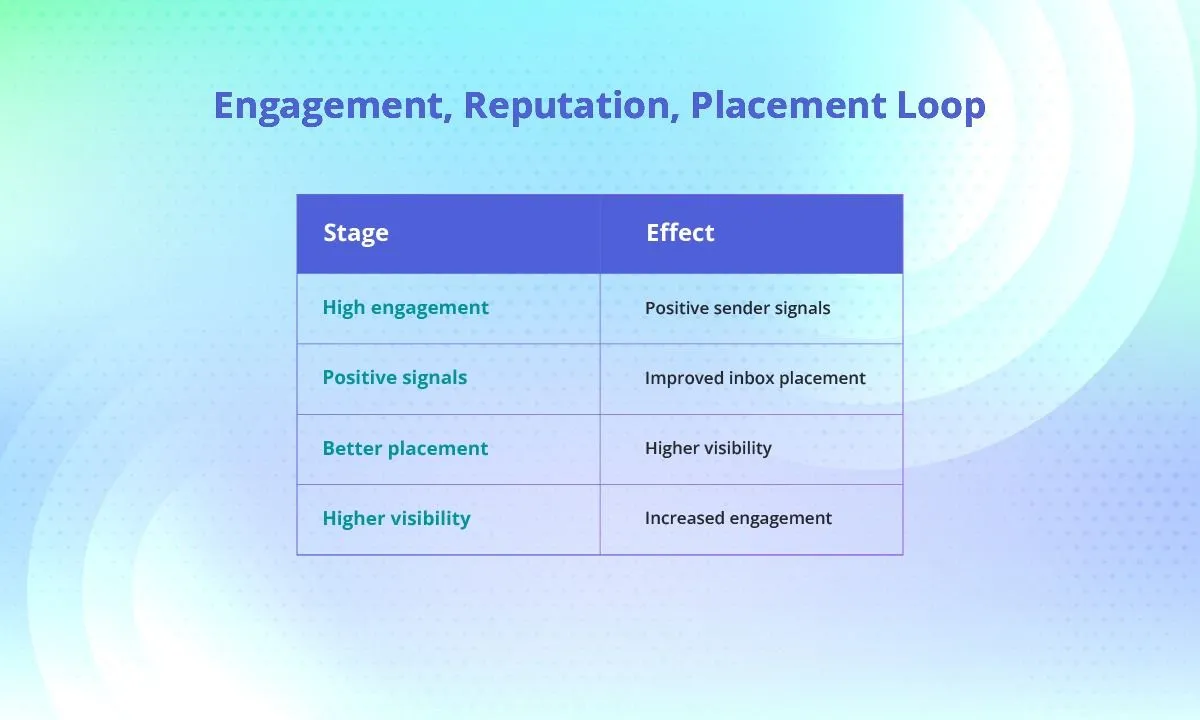
The inverse also applies. Low engagement triggers a negative feedback cycle.
2. Revenue and ROI Expansion
Engaged subscribers:
- Purchase more frequently
- Spend higher average order values
- Respond to upsell campaigns
- Participate in referral programs
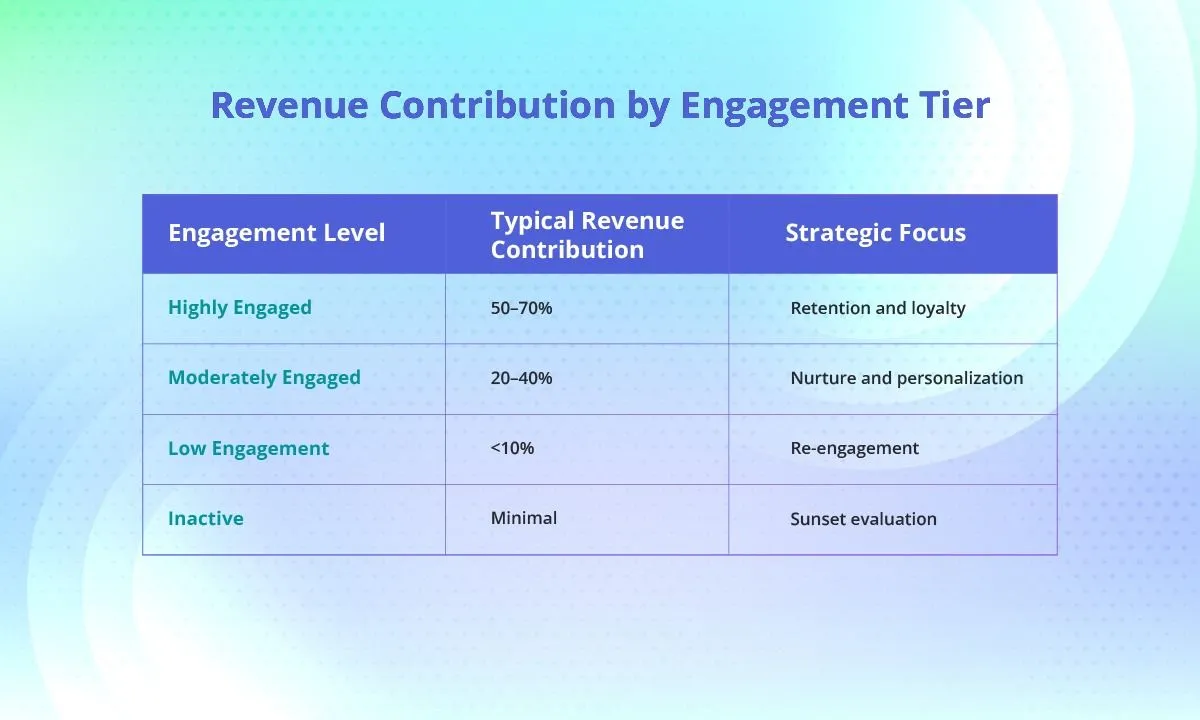
Email revenue is disproportionately generated by your top 20–30% most engaged contacts.
Revenue Contribution by Engagement Tier
3. Database Health and Sustainability
A large but disengaged list reduces:
- Average open rates
- Click rates
- Inbox placement
Removing inactive contacts often increases overall campaign performance metrics immediately.
Quality outweighs quantity.
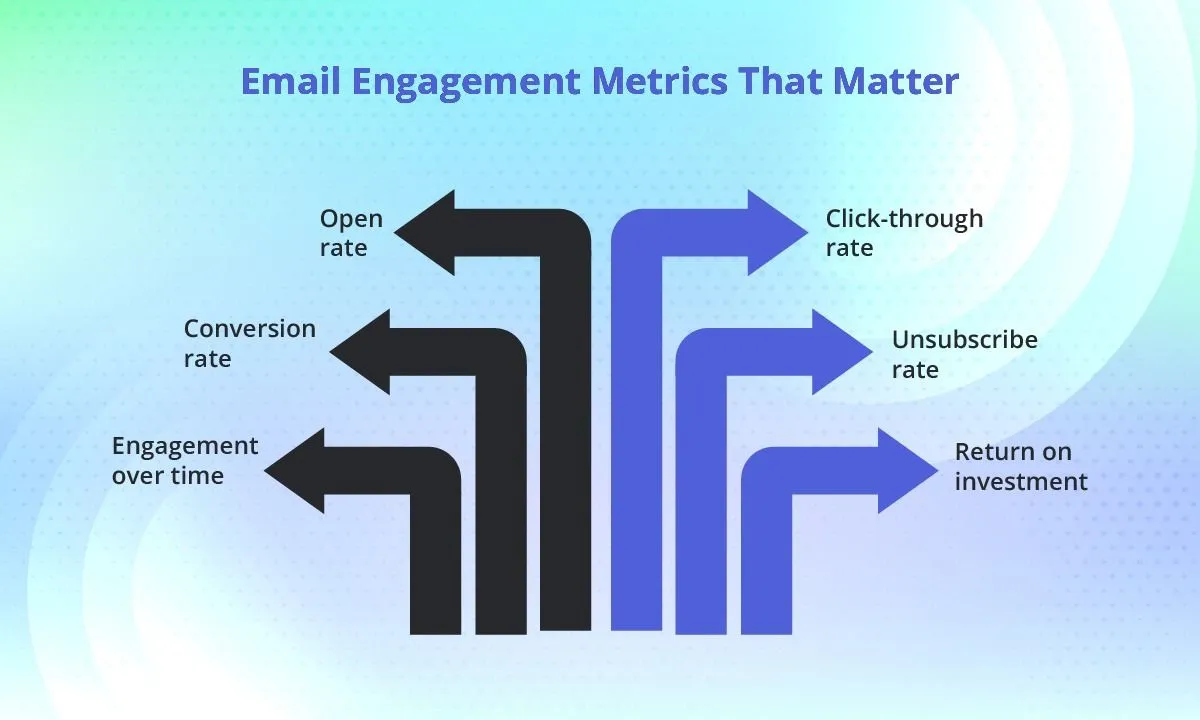
Key Email Engagement Metrics (Expanded Analysis)
Engagement Metrics Overview
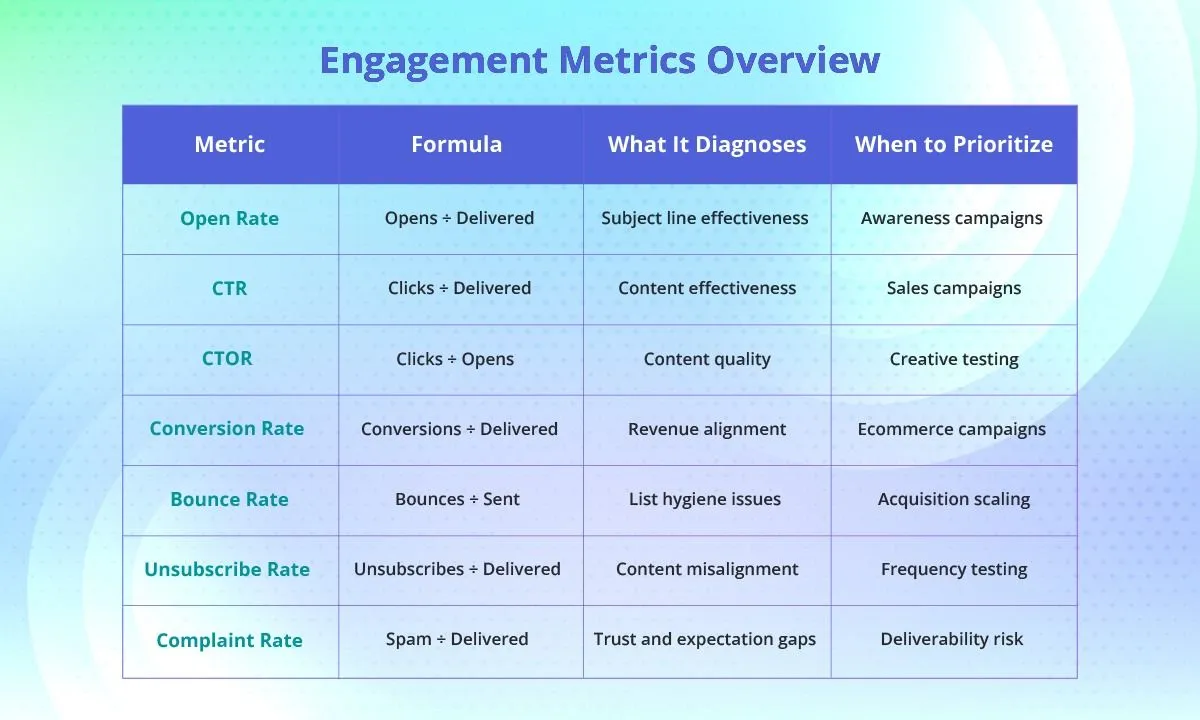
Deeper Interpretation of Metrics
Open Rate Limitations
Due to privacy updates, opens may be inflated by machine-generated activity. Therefore:
- Use open rates directionally
- Pair with click metrics for accuracy
Click-Through Rate as a Core Indicator
CTR reflects intentional behavior. It answers:
- Is the offer compelling?
- Is the CTA clear?
- Is the audience properly segmented?
Conversion Rate: The True KPI
Clicks indicate interest. Conversions indicate alignment between:
- Audience intent
- Offer relevance
- Landing page experience
Revenue optimization requires tracking post-click behavior, not just email interaction.
The Email Engagement Lifecycle Model
Subscribers move through predictable engagement stages.
Engagement Stages Framework
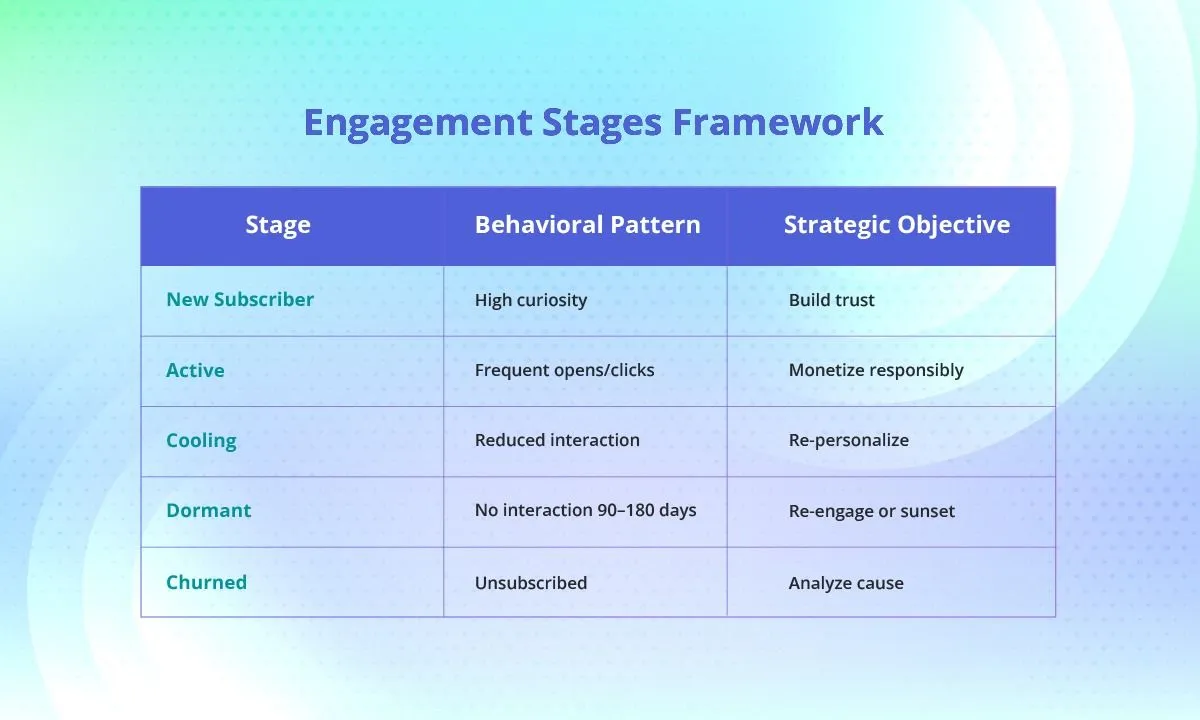
Engagement decay is natural. The objective is to slow the decay curve through relevance and personalization.
Factors That Influence Email Engagement
Engagement performance is driven by operational precision across multiple layers.
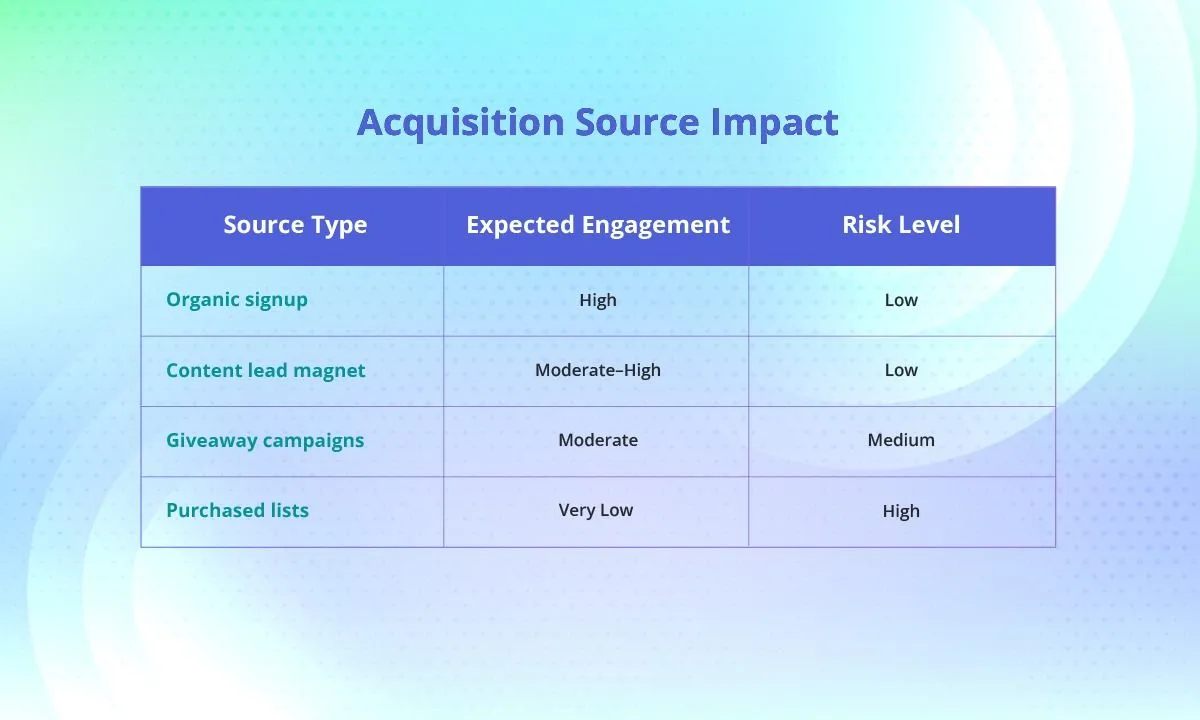
1. Acquisition Quality
Subscribers acquired through:
- Double opt-in
- Clear value exchange
- Transparent frequency expectations
Engage more consistently than contacts acquired through:
- Purchased lists
- Forced opt-ins
- Misleading lead magnets
Acquisition Source Impact
2. Segmentation Architecture
Segmentation is one of the strongest engagement multipliers.
Segmentation Categories
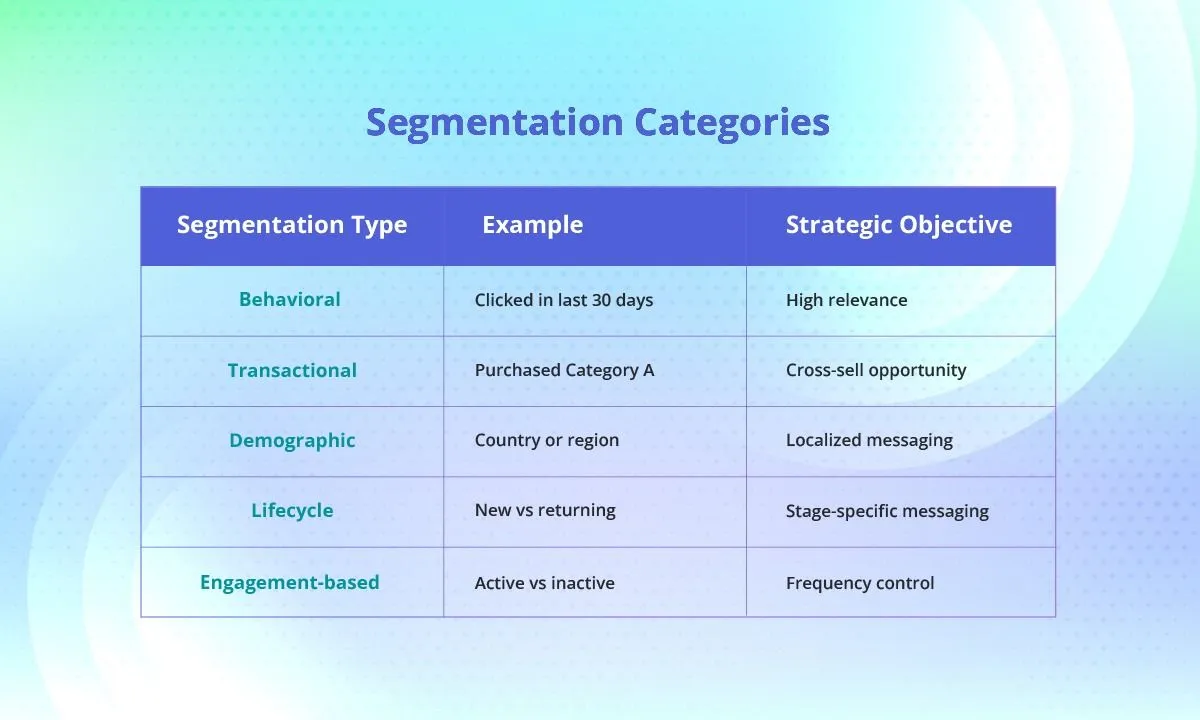
Generic broadcasts reduce performance over time.
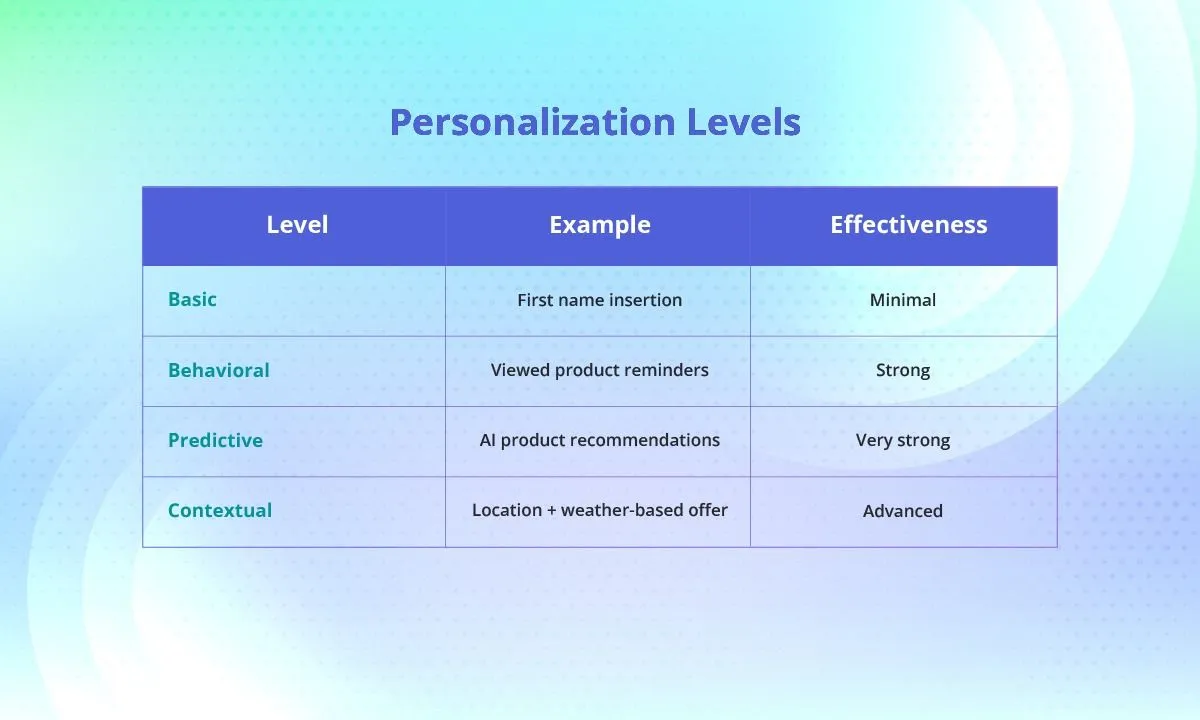
3. Personalization Depth
Personalization should evolve from surface-level to contextual relevance.
Personalization Levels
4. Frequency Optimization
Engagement declines when frequency exceeds tolerance.
Frequency Optimization Matrix
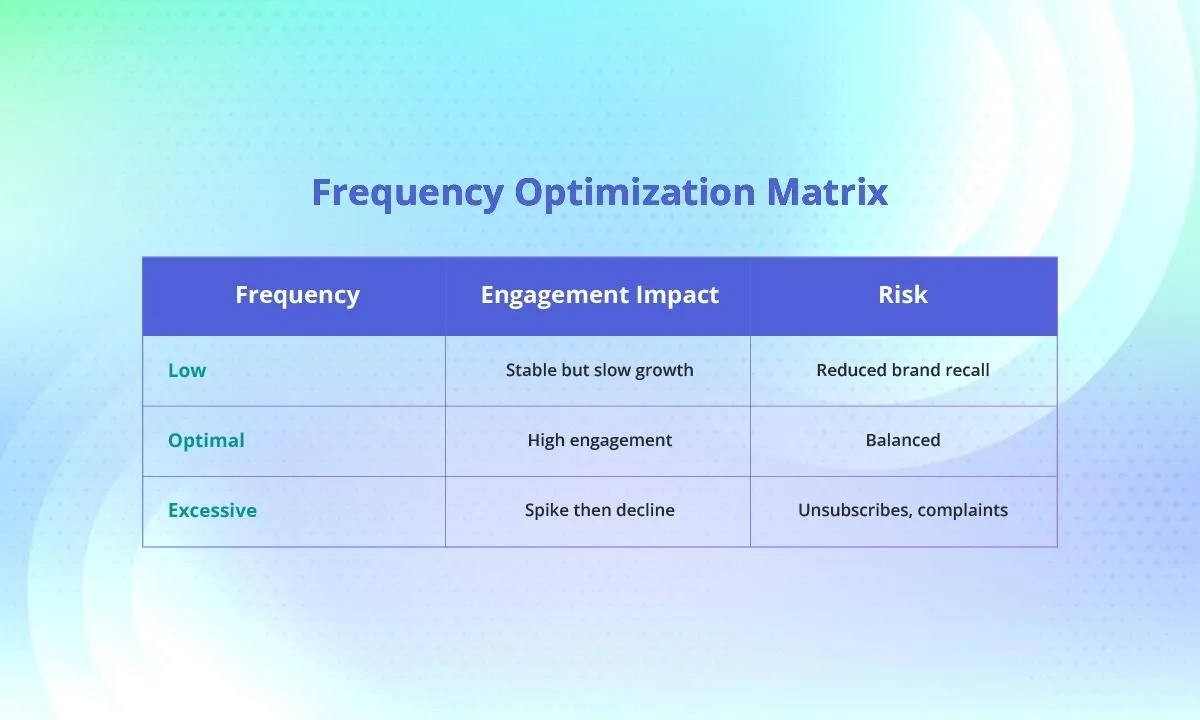
Testing is required to identify optimal cadence per segment.
Advanced Strategies to Improve Email Engagement
1. Behavior-Based Automation
Automated emails triggered by user actions significantly outperform batch campaigns.
High-Performance Automated Flows
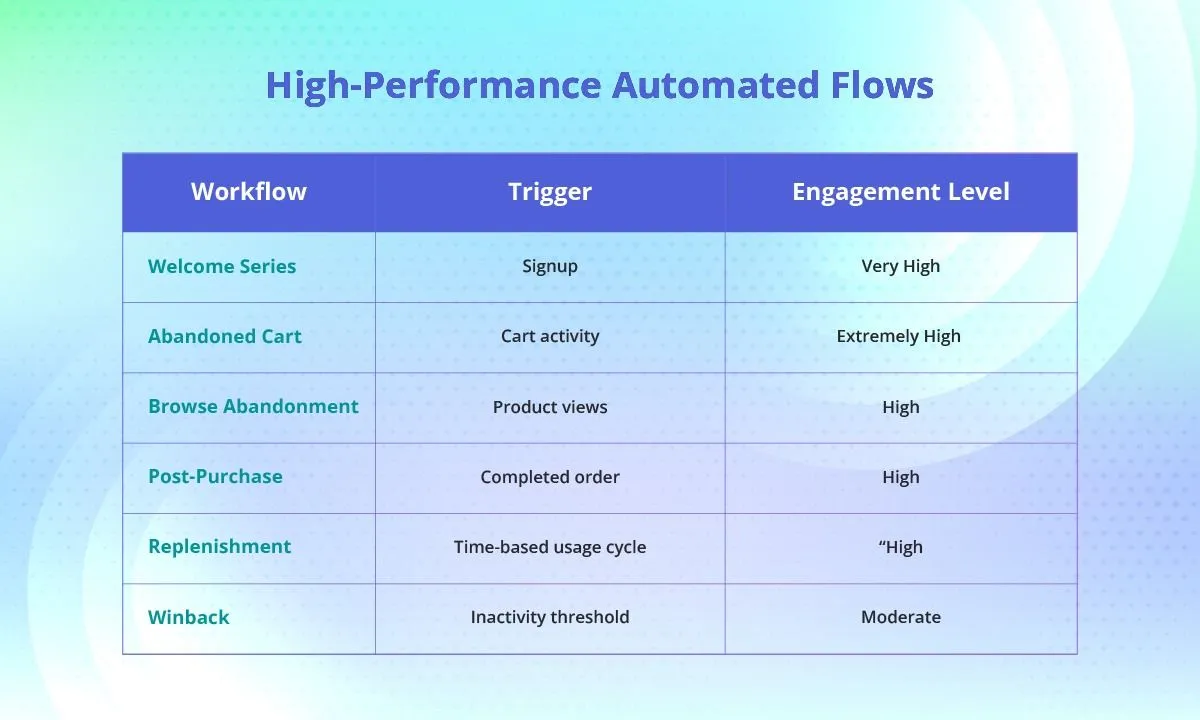
Automations align messaging with real-time intent.
2. Engagement-Based Suppression
Create suppression rules for contacts who have not engaged within defined thresholds.
Example model:
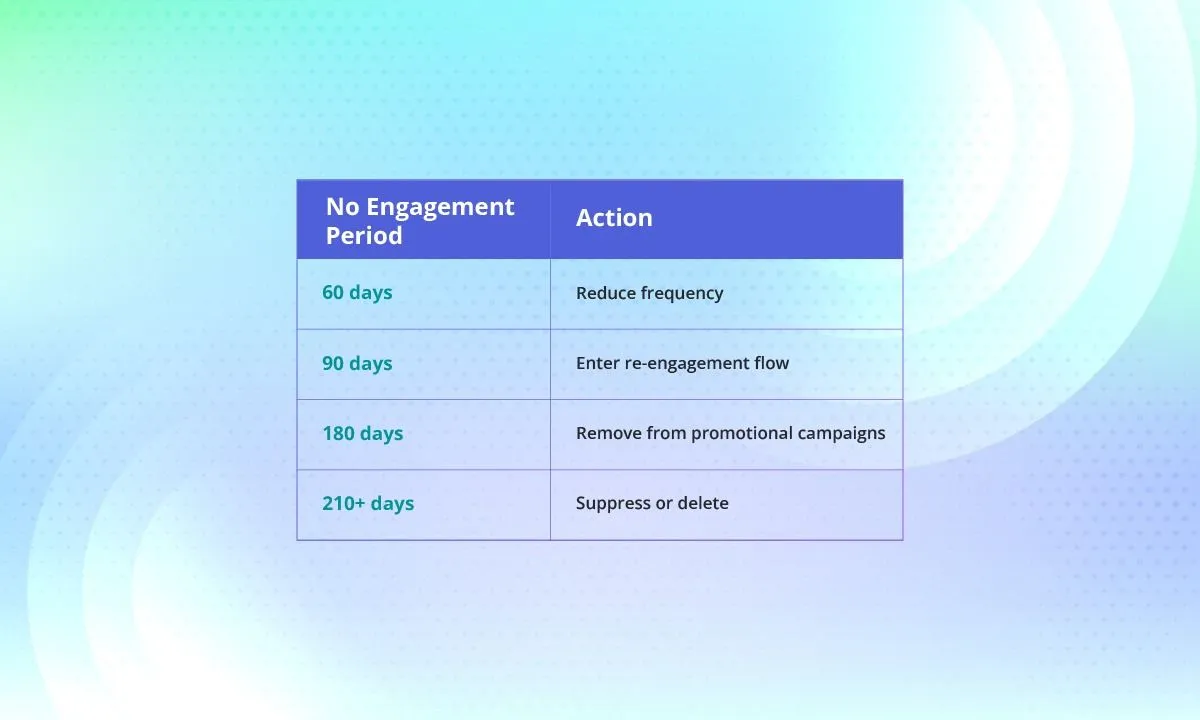
This protects sender reputation and improves average engagement metrics.
3. Systematic A/B Testing Framework
Random testing yields random results. Use a hypothesis-driven model.
Structured Testing Model
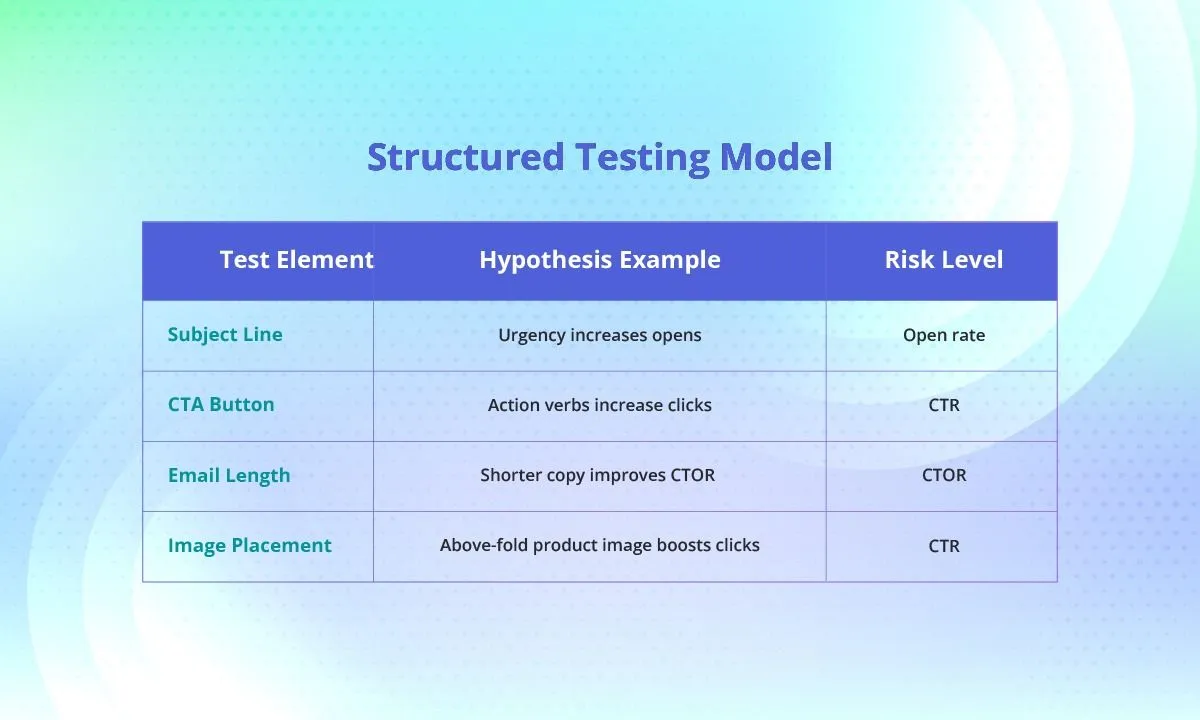
Change only one variable per test.
4. Improve Value Density
Value density refers to how much actionable or desirable content exists per email.
Low value density examples:
- Overly promotional emails
- Repetitive messaging
- Generic updates
High value density examples:
- Educational insights
- Exclusive early access
- Personalized offers
- Data-driven recommendations
Value consistency builds habit formation.
Content Strategy for Higher Engagement
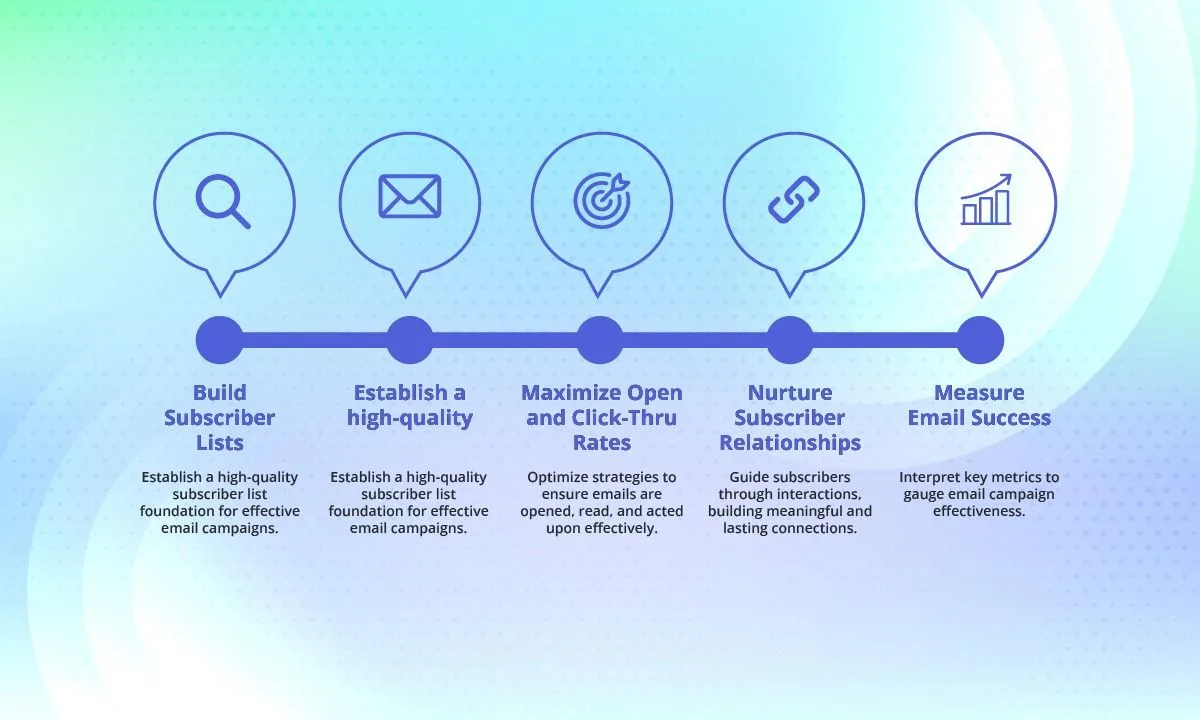
Email Content Types and Strategic Use
Data-Driven Optimization Framework
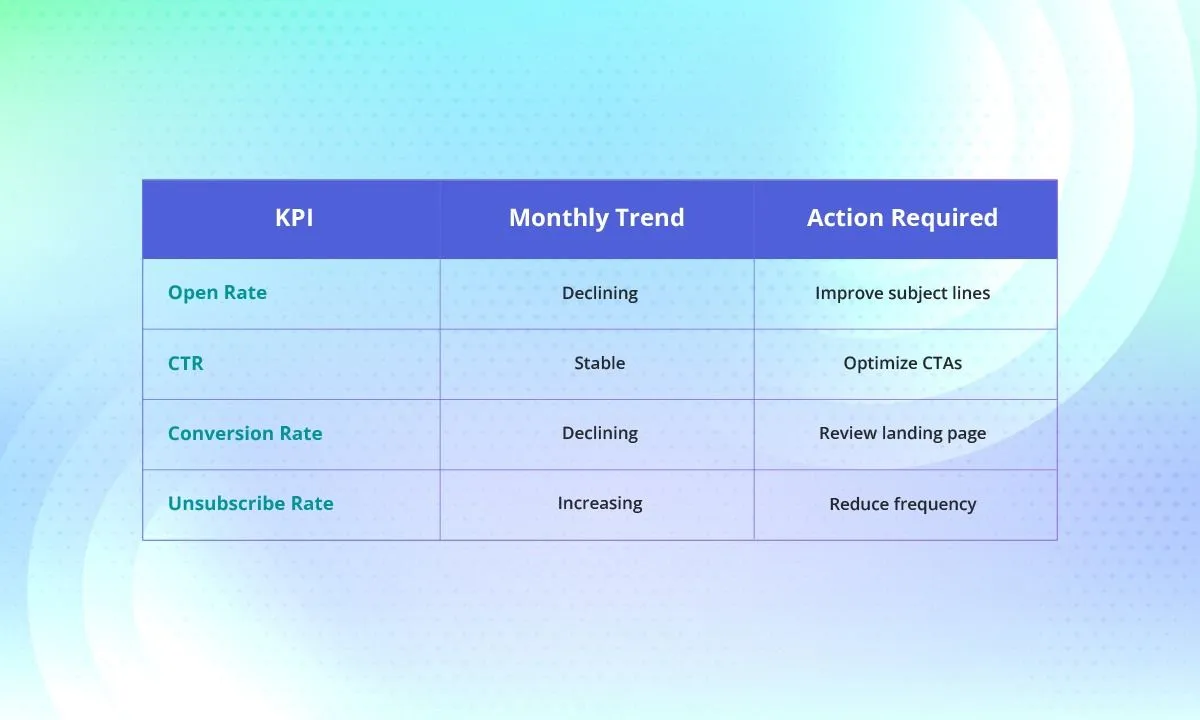
Sustained engagement requires recurring analysis.
Engagement Monitoring Dashboard
Track:
- Engagement by segment
- Engagement by campaign type
- Revenue per email sent
- Engagement decay trends
- Automation vs broadcast performance
Example Dashboard Layout
Deliverability Alignment Checklist
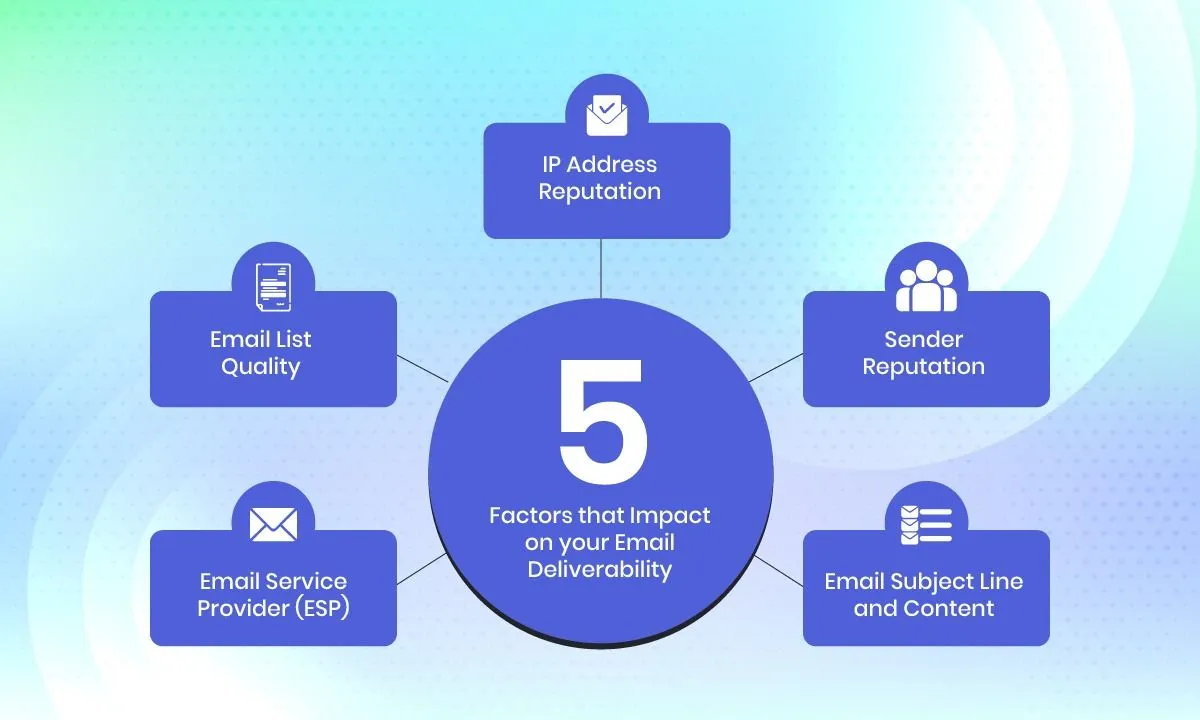
Engagement strategy must align with technical best practices.
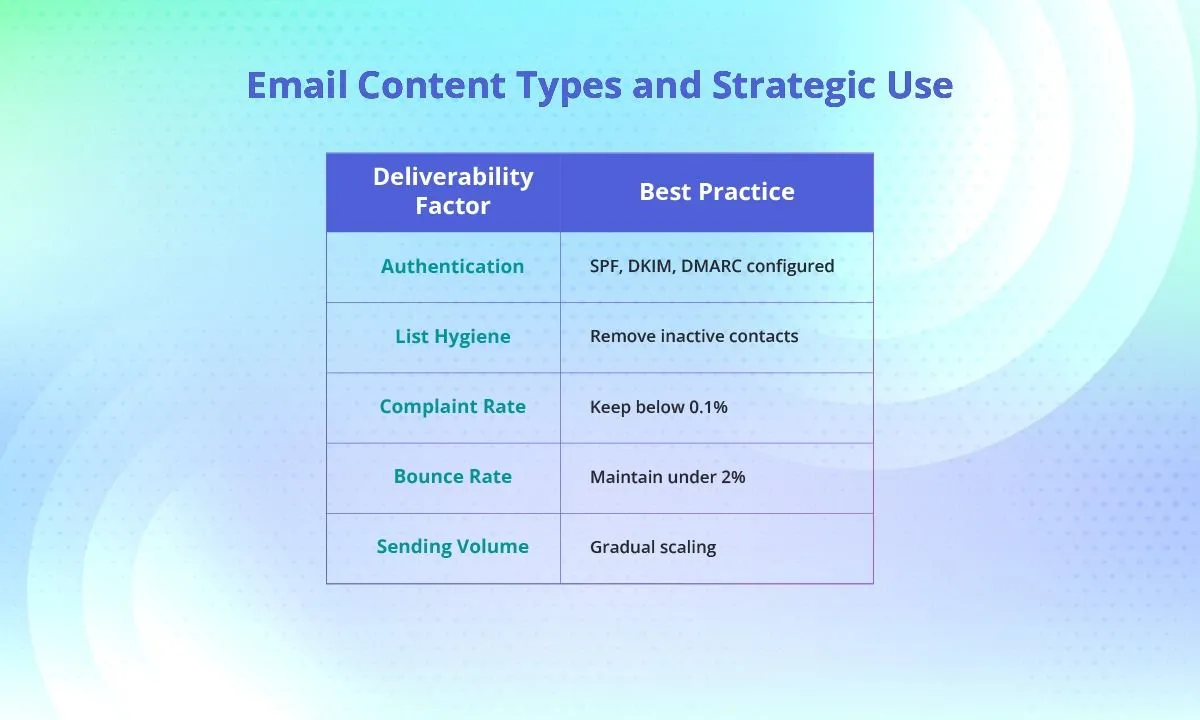
Strong engagement improves technical reputation metrics.
Final Strategic Takeaway
Email engagement is not merely a reporting metric. It is a systemic indicator of:
- Audience trust
- Content relevance
- Brand resonance
- Revenue sustainability
Organizations that treat engagement as a central operational KPI rather than a secondary reporting figure achieve:
- Higher inbox placement
- Increased lifetime value
- Lower churn
- Stronger brand equity
The most effective email programs share five characteristics:
- Precision segmentation
- Meaningful personalization
- Behavior-triggered automation
- Continuous testing
- Ruthless list hygiene
When engagement becomes the foundation of your strategy, email marketing evolves from a broadcast tool into a relationship-driven growth engine.
Engagement is not an outcome. It is a discipline.