Email Marketing for Authors: A Complete Guide to Growing and Engaging Your Reader Base

Ayesha Ejaz Last updated on
Let’s face it, writing a book is hard enough. But getting people to actually read your work? That’s a whole different challenge.
The truth is, as an author, you need more than just a great story. You need an audience. A tribe. A group of loyal readers who can’t wait for your next release. That’s where email marketing for authors comes in.
This isn’t just about sending “buy my book” emails. It’s about creating genuine connections with people who care about your writing journey. Whether you’re just starting out or have a few titles under your belt, this guide will help you turn email into your most powerful (and personal) marketing tool.
Why Email Marketing Matters for Authors
Direct Access to Your Readers
Social media algorithms are unpredictable. One day you're reaching thousands, the next you're buried in the feed. With email, your message lands right in your reader’s inbox. No middleman, no filters. You get to control the narrative, tone, and timing of your message.
Higher ROI Than Social Media or Ads
Studies consistently show that email marketing delivers the highest ROI of any digital channel, averaging $36 for every $1 spent. That’s great news for authors who often operate on tight budgets. A single email campaign can drive pre-orders, reviews, and launch-day buzz without costly ad spend.
Builds Reader Trust and Long-Term Engagement
A well-crafted email builds intimacy and loyalty. By regularly sending thoughtful content—whether behind-the-scenes stories, personal updates, or sneak peeks—you deepen your relationship with readers and keep them invested in your author journey.
How to Start Email Marketing as an Author
Choose the Right Email Marketing Platform
Start by picking a user-friendly email marketing platform. For authors, platforms like Mailmunch, ConvertKit, MailerLite, and ActiveCampaign are excellent choices. They offer:
- Ease of use: Simple drag-and-drop editors and automation builders
- Affordability: Free or low-cost tiers perfect for growing authors
- Automation: Welcome sequences, launch campaigns, and audience tagging
- Integration: Easily connect with your author website, BookFunnel, or Gumroad
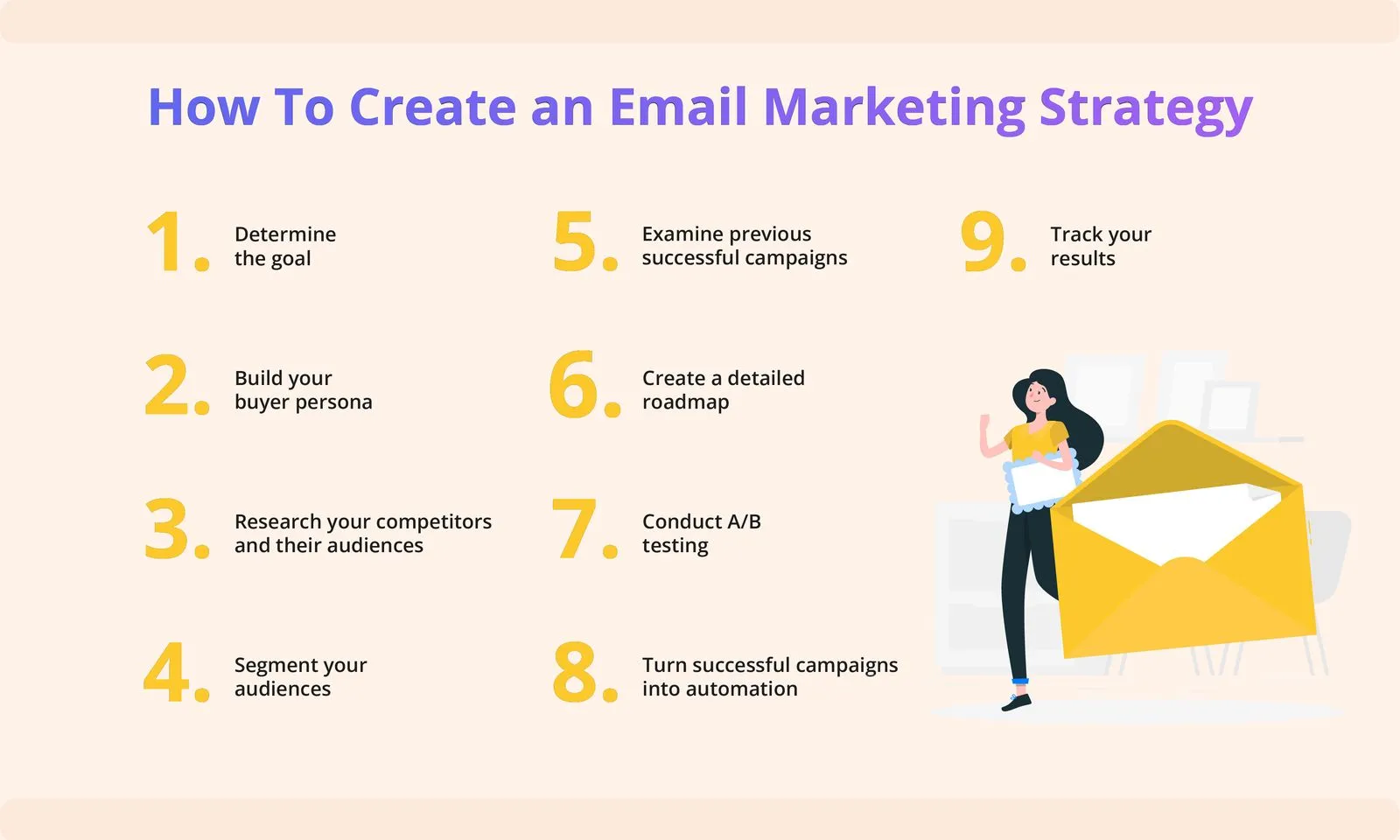
Set Clear Goals for Your Email Strategy
Are you trying to grow your audience? Get more reviews? Sell directly? Having clear goals helps you craft content that resonates and drives results. Typical author goals include:
- Promoting new or upcoming releases
- Building early review teams
- Updating fans with writing progress
- Boosting engagement and loyalty
Use your email to serve, not just sell. Nurturing your reader relationships is just as important as marketing your books.
Create an Author Website with a Signup Form
Your website is your online HQ, and your signup form should be front and center. Use opt-in language like:
“Get a free short story + exclusive updates from [Author Name]”
SEO tips:
- Include keywords like “free ebook,” “exclusive novella,” or “reader group” on the page
- Optimize page speed and mobile usability
- Use tools like Google Search Console to track traffic
This approach also applies to UK email marketing for authors, where authors often face strict GDPR regulations, so always use consent-based forms and clear opt-in messaging.
Building and Growing Your Author Email List
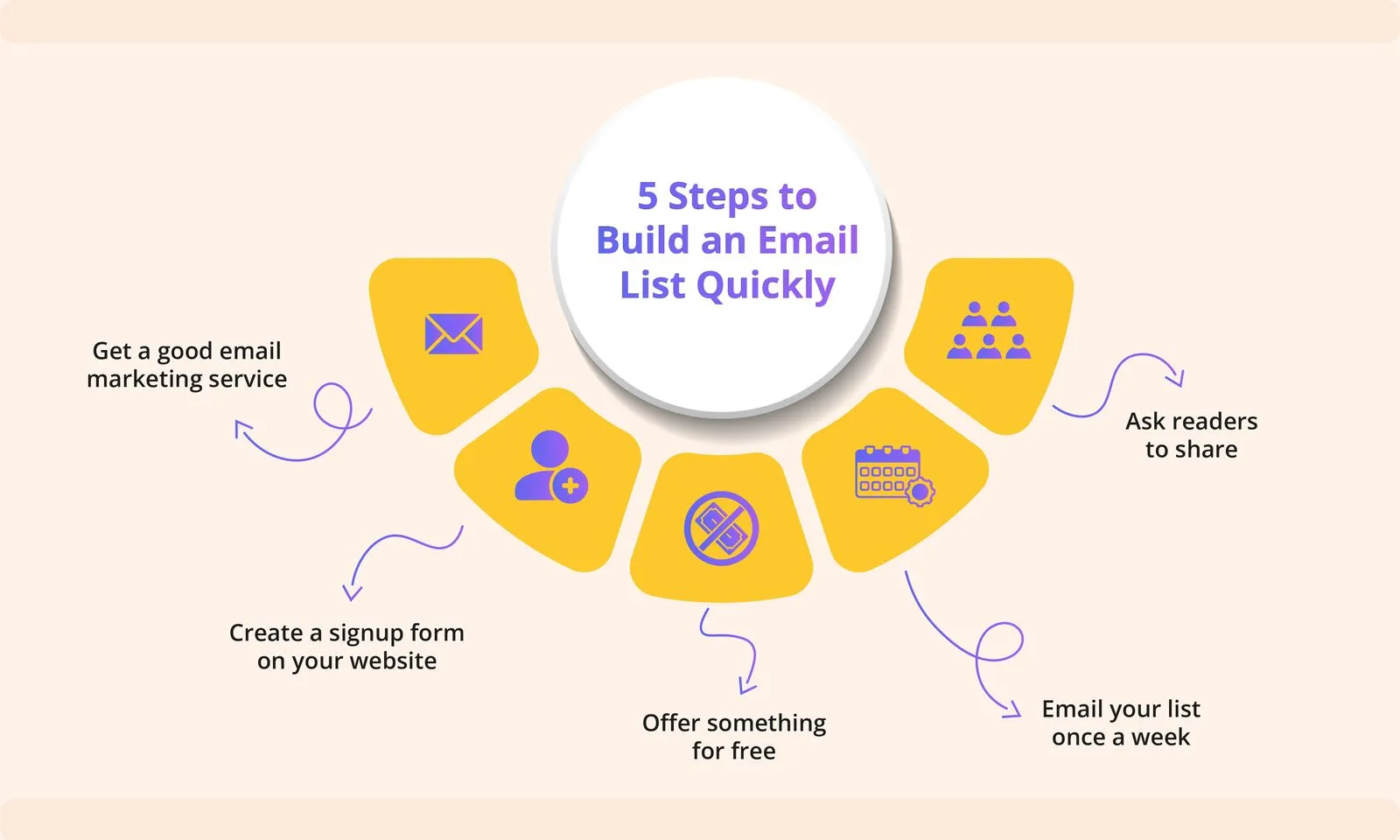
Give Away Something Juicy
People love free stuff. Especially when it’s something they can’t get anywhere else. Some tried-and-true lead magnets for authors include:
- The first few chapters of your novel
- An exclusive short story or bonus scene
- A printable reading list
- Book club questions
- A character backstory that didn’t make the final cut
Promote It Like You Mean It
You don’t need to shout from the rooftops, but do mention your list often. Include it:
- At the end of your book (with a link)
- On your social media profiles
- In guest blog posts or interviews
- At live events or book signings
Bonus tip: QR codes make it easy for readers to subscribe on the spot.
Segment Your Subscribers (Gently)
Once your list grows, start organizing it. Some people might be new, others super fans. Some may like your romance novels, others your thrillers. Sending tailored content keeps readers engaged—and keeps unsubscribe rates low.
What to Include in Your Author Newsletter
Engaging Content Ideas
A successful newsletter keeps your audience entertained, informed, and eager for your next update. Consider:
- Welcome series: Introduce yourself, set expectations, and deliver your lead magnet
- Behind-the-scenes: Writing updates, character sketches, cover design previews
- Book updates: Launch dates, pre-order links, bonus content
- Personal stories: Humanize your author brand with relatable life updates
- Reader interaction: Ask for feedback, opinions, or votes on book covers
Balancing Value and Promotion
Avoid turning your newsletter into a nonstop sales pitch. Follow the 80/20 rule—provide 80% valuable content and 20% promotional. Readers should look forward to your emails, not unsubscribe from them.
Email Marketing Strategies That Sell More Books
Automated Email Sequences
Automation saves time and ensures every new subscriber has a consistent experience. Set up:
- Welcome series (3–5 emails introducing your world)
- Launch campaigns (countdown to release, cover reveal, ARC request, buy link)
- Engagement campaigns (re-engagement emails for inactive readers)
Use platforms like ConvertKit or Mailmunch to create behavior-based triggers—e.g., sending bonus content if someone clicks on a book link.
Timing and Frequency
Should you email weekly or monthly? There's no perfect formula. The best approach is:
- Be consistent (e.g., every Friday or the 1st of each month)
- Choose quality over quantity
- Use data to adjust based on what your readers respond to
Boosting Engagement
Encourage interaction by adding:
- Polls or quizzes related to your book
- Contests and giveaways (like signed copies or book swag)
- Reader shoutouts (fan art, testimonials, or featured reviews)
- Surveys asking what they’d like to read next
Personalize
Most email platforms allow dynamic fields like {FirstName}, but go deeper:
- Recommend books based on previous purchases
- Send birthday or anniversary emails
- Trigger emails based on activity (e.g., clicking a book link triggers a thank-you note)
Common Mistakes Authors Should Avoid
- Waiting too long to start: Your email list should begin as soon as your author career does—even before your first book is published.
- Only sending sales emails: Over-promoting drives unsubscribes. Readers want value and connection, not constant selling.
- Ignoring mobile optimization: Most people check email on their phones. Use mobile-friendly templates, short subject lines, and concise paragraphs.
- Violating GDPR or anti-spam laws: Especially for UK email marketing for authors, compliance is non-negotiable. Use double opt-ins, offer easy unsubscribe options, and don’t buy email lists.
Tracking Results and Optimizing Campaigns
Key Metrics to Monitor
To know what’s working (and what’s not), keep track of:
- Open rate: Are your subject lines effective?
- Click-through rate (CTR): Is your content prompting action?
- Unsubscribe rate: Are you sending too frequently or losing interest?
- Conversion rate: Are readers buying your books, downloading freebies, or joining your ARC team?
Test and Refine
Use A/B testing to experiment with:
- Subject lines (e.g., “New Book Alert” vs. “🎉 You’re the First to Know…”)
- Button placement (early vs. end of email)
- Email timing (morning vs. evening)
Collect feedback through reader surveys and look at your most clicked content to guide future campaigns.
Advanced Tips for Seasoned Authors
Integrate with eCommerce or Book Funnel Tools
Sell directly to your readers by integrating your email with platforms like:
- Gumroad or Payhip for direct eBook sales
- Shopify for merch or signed books
- BookFunnel to deliver ARCs or bonuses securely
Build Reader Journeys
Create advanced automations such as:
- Reader paths based on genre
- Post-purchase series (“Thanks for buying! Want to read the next book?”)
- Exclusive sneak peeks triggered by specific behavior
Launch Paid Newsletters or Reader Clubs
Charge superfans for exclusive content through Substack, Patreon, or Ko-fi. Offer:
- Early access to chapters
- Monthly live Q&As
- Signed book giveaways
- Private communities
Cross-Promote with Other Authors
Team up with authors in your genre to:
- Swap newsletter mentions
- Run joint giveaways
- Host webinars or live readings
- Launch bundle promotions
Collaborations help you tap into each other’s audiences and grow faster.
Final Thoughts
Email marketing for authors isn’t just a “nice-to-have.” It’s the backbone of a successful author platform. Social media will change. Algorithms will get weirder. But your email list? That’s yours forever.
Start small. Be consistent. Show up authentically. Whether you're writing thrillers, romance, nonfiction, or children’s books, your readers want to hear from you. And with some strategy and heart, your inbox might become your favorite place to connect.
FAQs: Email Marketing for Authors
What’s the best email platform for authors?
ConvertKit, MailerLite, and Mailmunch are popular for their ease of use, automation tools, and author-friendly pricing.
How often should I email my readers?
Start monthly. If you have more to say (and time to do it), move to biweekly. Just don’t disappear for six months and then blast out ten emails in one week.
What should I include in my welcome email?
Introduce yourself, let readers know what they’ll get from your list, and deliver any promised freebies. Keep it warm and genuine.
Can I use email marketing to sell books directly?
Yes! Use links to your Amazon page, or sell via platforms like BookFunnel, Gumroad, or Shopify. Direct sales = more profit + more control.
How do I avoid my emails going to spam?
Avoid ALL CAPS or too many exclamation points, use a verified sender domain, keep your list clean, and always include an unsubscribe link.