Top Email Marketing Growth Tips to Skyrocket Your Conversions

Ayesha Ejaz Last updated on
Email marketing remains one of the most powerful tools in a marketer’s arsenal in today's digital landscape.
But with inboxes more crowded than ever, simply sending an email isn’t enough. You need strategy, precision, and a growth mindset.
So, whether you are just a beginner or an email marketing veteran, this guide will cover all the essential email marketing growth tips to boost engagement, conversions, and long-term customer relationships.
Understand the Core of Email Marketing Strategy
An effective email strategy starts with clarity. Before jumping into design or copywriting, take a step back to focus on foundational elements.
Define Your Campaign Objectives
Your campaign’s goal determines everything from content to cadence. Are you looking to:
- Increase brand awareness?
- Drive more sales?
- Boost engagement?
- Improve customer retention?
Being clear about your objectives sets a measurable direction for every campaign.
Know Your Audience Inside Out
You can’t grow your list or conversions without knowing who you’re talking to.
- Create buyer personas based on customer behavior, demographics, and psychographics.
- Use behavioral and demographic segmentation to tailor content.
- For example, a user who abandoned their cart should receive emails different from those of someone who just subscribed.
Choose the Right Email Types
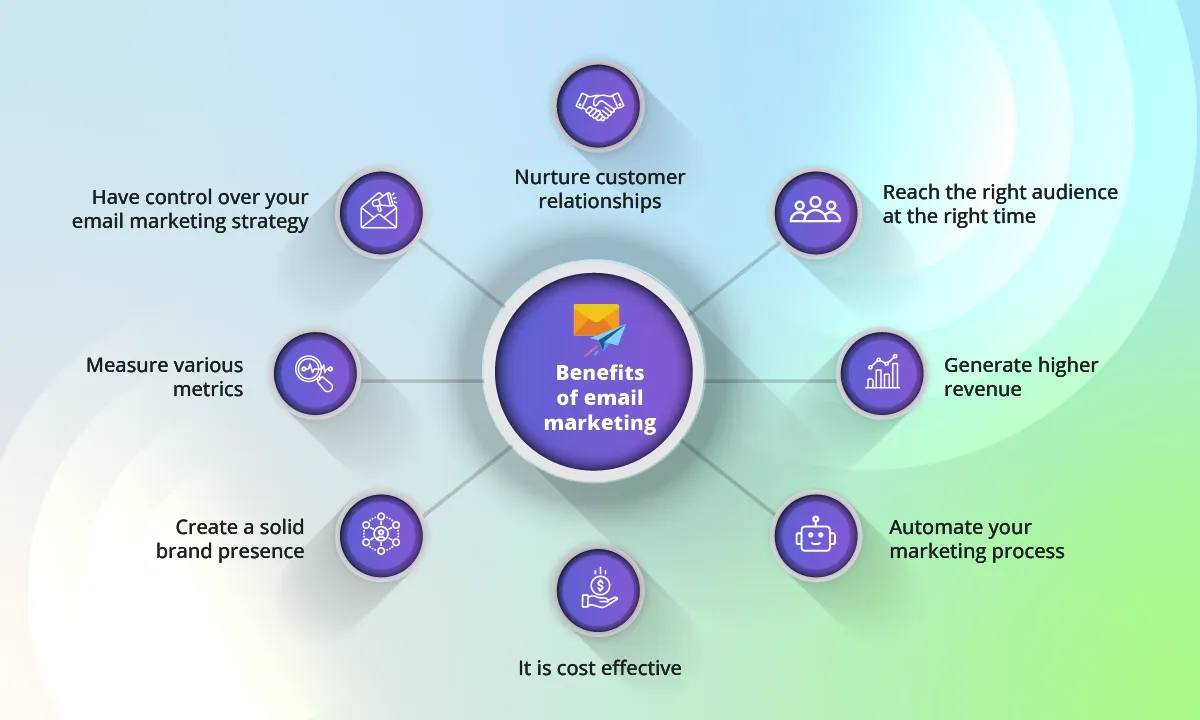
Not every email needs to be promotional. Vary your content using:
- Promotional Emails: Sales, discounts, announcements
- Transactional Emails: Order confirmations, shipping updates
- Newsletters: Updates, blog posts, insights
- Onboarding Emails: Welcome series for new users
- Cart Abandonment Emails: Recover lost sales
Tip: Blend different types to avoid fatigue and keep your list engaged.
Optimize for Deliverability and Visibility
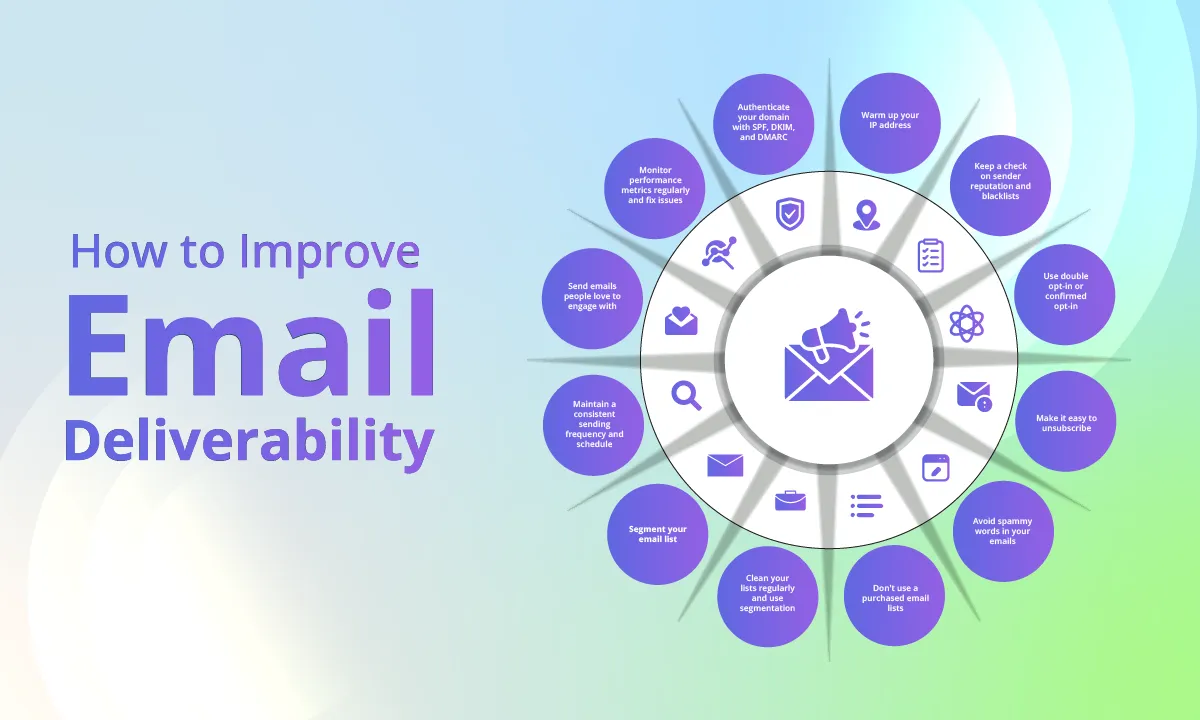
You can have the best email in the world, but it won't matter if it doesn’t land in the inbox, it won’t matter.
Build a Clean, Engaged Email List
A high-quality list is more valuable than a large one.
- Regularly remove inactive subscribers.
- Never use purchased or scraped lists.
- Use double opt-in to ensure list quality.
Maintain Consistent Sender Identity
Email providers like Gmail look at your domain and sender name.
- Always use a verified domain.
- Stick to a consistent sender name that your audience recognizes.
Craft Eye-Catching Subject Lines
Your subject line determines if your email gets opened or ignored.
- Keep it under 50 characters.
- Use power words, relevant emojis, and personalization.
- A/B test regularly to find what resonates best.
Design Emails That Drive Conversions
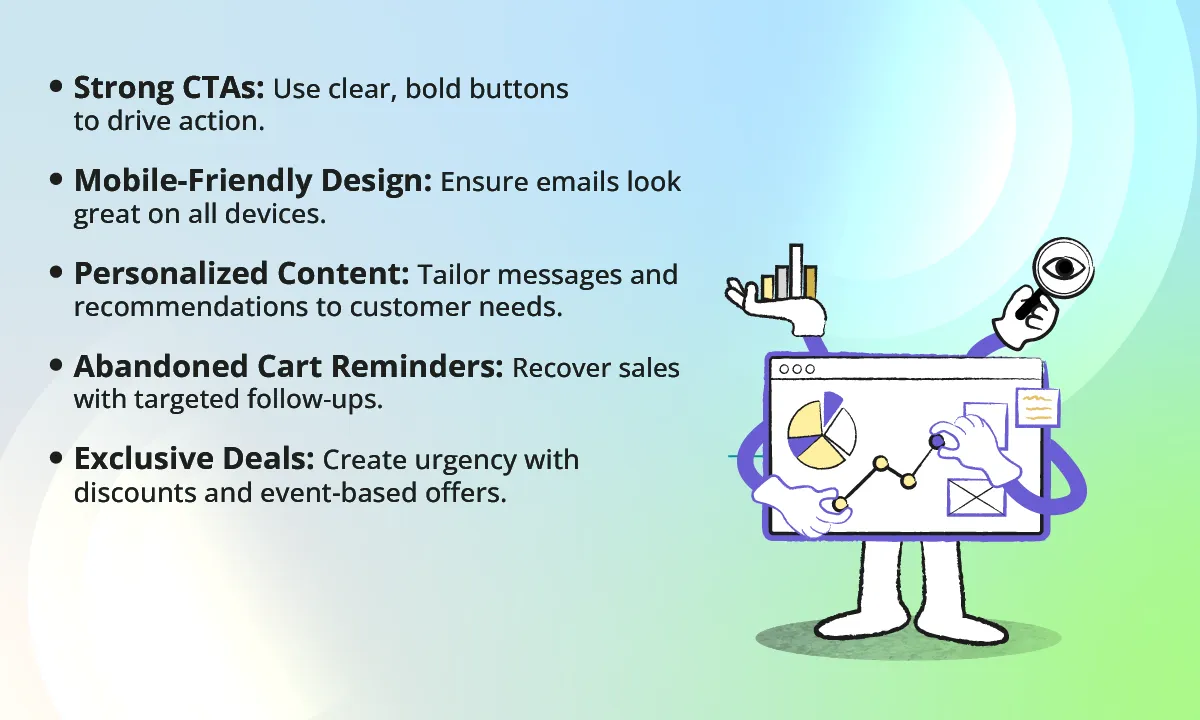
Well-designed emails do more than look pretty they guide users toward action. A high-converting email seamlessly blends aesthetics with function, ensuring every element works toward encouraging the reader to click, buy, sign up, or engage further.
Mobile-Responsive and Accessible Design
With over 60% of emails opened on mobile devices, responsive design is no longer optional, it’s essential.
- Use fluid layouts that adapt to screen sizes.
- Fonts should be readable without zooming, and buttons should be large enough to tap easily.
- Use alt text for all images to ensure accessibility and better rendering in email clients that block images by default.
- Ensure color contrasts meet ADA compliance for users with visual impairments.
Personalized and Dynamic Content
Personalization goes beyond using the subscriber's first name.
- Use behavior-triggered dynamic blocks to show different content to different users.
- Recommend products or content based on past purchases, browsing history, or interaction with previous emails.
- Celebrate subscriber milestones like birthdays or anniversaries with customized offers.
- For better relevance, include localization elements such as nearest store, regional holidays, or language preferences.
Keep It Visual, But Balanced
While visuals enhance engagement, too many can overwhelm or slow loading times.
- Use high-quality images that support the message, not distract from it.
- Implement a visual hierarchy with headers, subheaders, and CTAs that guide the reader’s eye.
- Place your primary call-to-action above the fold, and reinforce it throughout the email.
- Ensure that all key information is visible without requiring the reader to scroll too far.
- Keep the balance between text and imagery close to a 60:40 ratio to avoid deliverability issues.
A well-designed email is one that looks great, reads clearly, and converts consistently. Design with intent—not just for decoration.
Use Automation to Scale Smartly
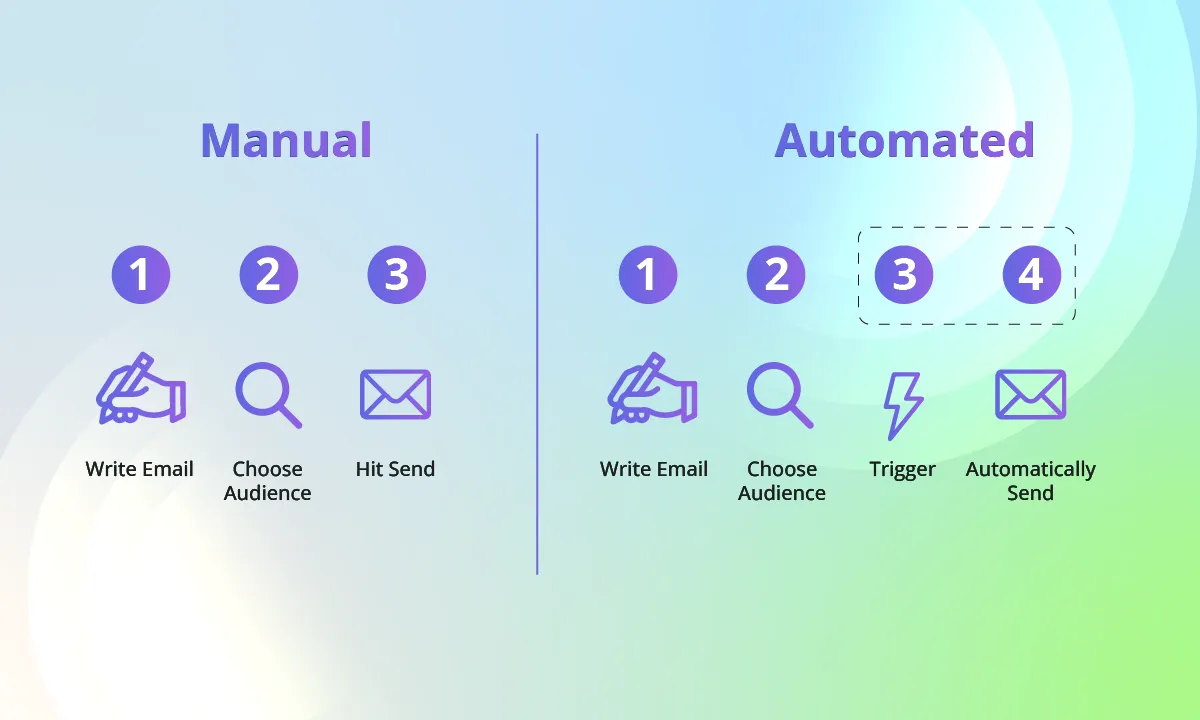
Email marketing automation can significantly reduce manual effort while increasing impact. It allows businesses to deliver relevant content at the right time, streamline the customer journey, and build long-term engagement with minimal manual intervention.
Set Up Triggered Email Workflows
Triggered emails are automatically sent based on a user’s behavior, making them feel timely and personalized. They typically have higher open and click-through rates because they respond to a specific action or milestone.
Examples include:
- Welcome Series: Greet new subscribers with a warm introduction to your brand and highlight the value they'll get from staying subscribed.
- Re-engagement Flows: Target users who haven’t interacted in a while with a gentle nudge or special offer.
- Cart Recovery: Remind customers about items they left in their cart, potentially with a discount to seal the deal.
- Review Requests: After purchase, encourage users to leave a review or testimonial to build credibility.
You can also automate birthday emails, anniversary messages, or loyalty rewards to strengthen relationships.
Use Drip Campaigns for Lead Nurturing
Drip campaigns are a sequence of pre-written emails sent on a schedule or triggered timeline. They're ideal for nurturing leads through a sales funnel.
- Start with educational content that addresses common pain points or FAQs.
- Gradually move toward solution-oriented emails that highlight how your product or service can help.
- Finish with compelling offers or case studies to encourage conversion.
Advanced marketers can further personalize these drips based on lead scoring, behaviors, or industry segments, making each touchpoint more relevant.
In short, automation enables marketers to do more with less while creating experiences that feel thoughtful and human.
Analyze, Iterate, and Improve
Email marketing is not a set-it-and-forget-it strategy. To achieve sustained growth and better ROI, marketers must adopt a continuous improvement mindset. That means analyzing results, testing new ideas, and using data to guide future campaigns.
Track Key Performance Metrics
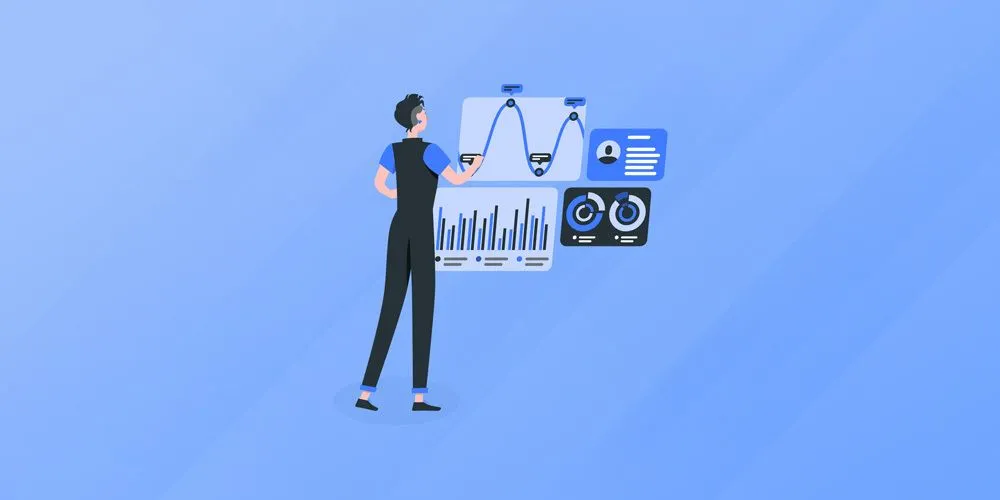
Understanding how your emails perform is essential for refining your approach. Here are the core metrics every email marketer should track:
- Open Rate – Measures how many recipients opened your email. A good indicator of subject line effectiveness.
- Click-Through Rate (CTR) – Reflects how many people clicked a link inside the email. Helps gauge content and CTA appeal.
- Bounce Rate – Shows how many emails failed to reach inboxes. High bounce rates can hurt deliverability.
- Unsubscribe Rate – Reveals if you're over-emailing or missing relevance.
- Conversion Rate – Tells you how many recipients completed a desired action like purchasing or signing up.
Here's a quick reference of average industry benchmarks:
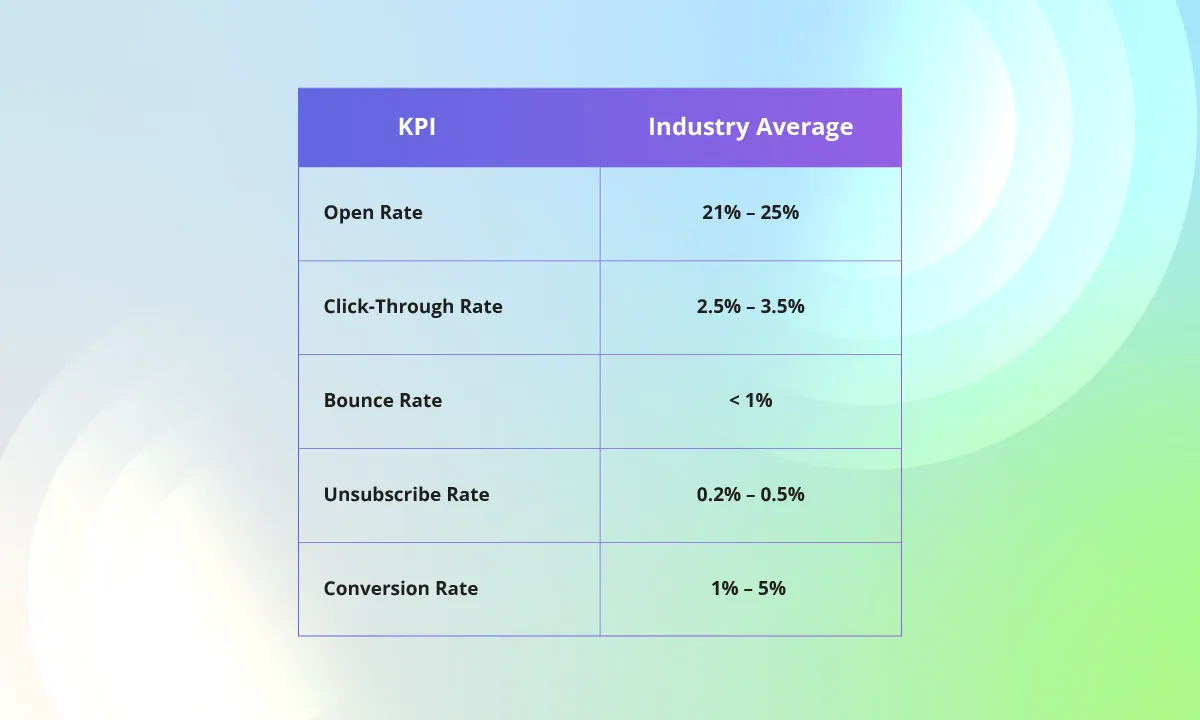
These figures vary by industry, audience type, and list hygiene. The key is to compare your performance against these averages while striving to improve over time.
A/B Test Regularly
Testing allows you to optimize campaigns based on actual user behavior rather than assumptions.
- Experiment with subject lines, preview text, CTA wording, or send times.
- Test one element at a time to isolate the winning variable.
- Use statistical significance calculators to determine when a test has enough data to be valid.
Use Heatmaps and Engagement Data
Going beyond metrics, heatmaps show exactly how recipients interact with your emails:
- Where are they clicking?
- How far are they scrolling?
- Are they missing important CTAs?
Tools like Mailchimp, Convertcart, or Litmus can offer heatmaps and visual engagement tracking to guide design changes and better content placement.
Marketers can transform average email campaigns into high-performing, conversion-driving assets by analyzing performance and iterating accordingly.
Constant improvement is key to long-term email marketing growth.
Growth Hacks for Email Marketers
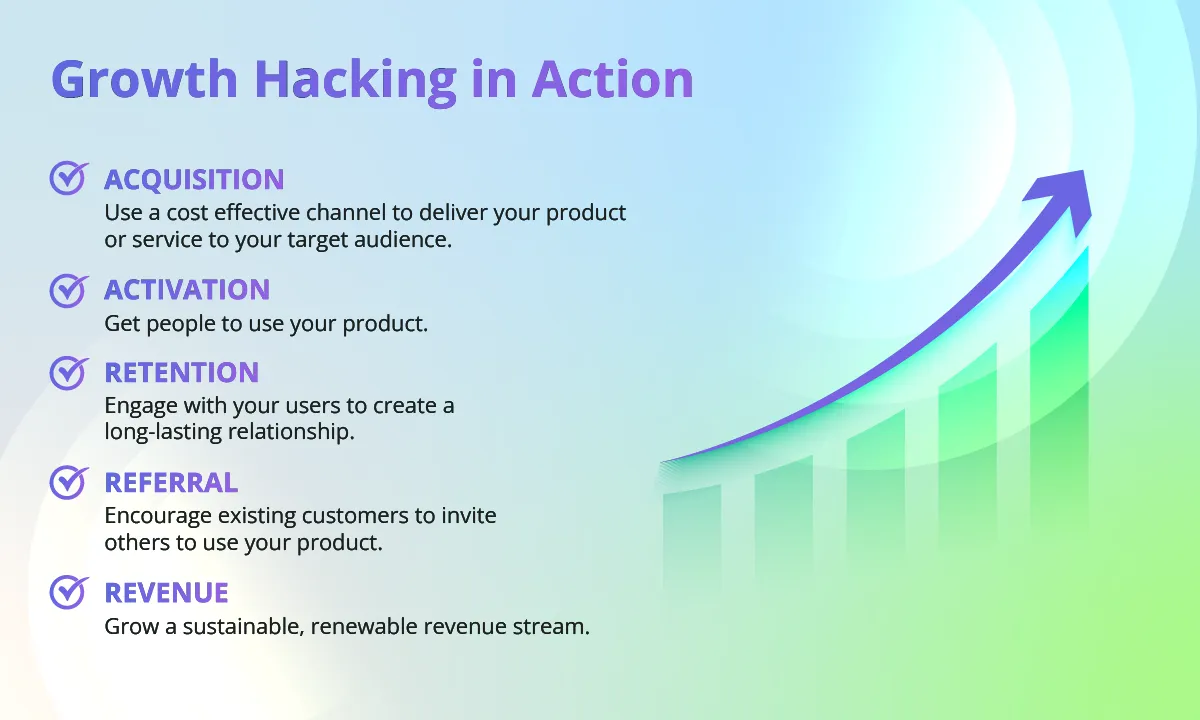
Looking for an edge? Here are some email marketing growth hacks that can yield impressive results.
Offer Irresistible Lead Magnets
People won't give their email for nothing. Offer:
- Discount codes
- Free templates or checklists
- Quizzes
- Ebooks or guides
Use Tiered Offers in Campaigns
Not every subscriber is ready to buy your most expensive plan. Segment and offer:
- Basic, Standard, and Premium plans
- Entry-level discounts for new users
Upsell and Cross-Sell Smartly
Email based on:
- Purchase history
- Abandoned items
- Browsing patterns
Build Trust and Relationships Over Time
Growth isn’t just about numbers—it’s about meaningful relationships.
Provide Value, Not Just Promotions
Mix your messages:
- Educational how-tos
- Customer success stories
- Industry insights
Humanize Your Brand Voice
Nobody wants to read robotic emails.
- Write like you talk.
- Use humor or stories.
- Be transparent when mistakes happen.
Engage Through Interactive Elements
Interactive content boosts engagement.
- Use polls and surveys
- Add GIFs or carousels
- Embed mini-quizzes
Final Thoughts
Email marketing continues to be one of the most cost-effective and scalable growth channels. But you can’t rely on outdated tactics. By embracing strategic segmentation, personalization, automation, and human-centric storytelling, you’ll grow your list, real customer loyalty, and sales.
Adopt these email marketing growth tips gradually, test their performance, and refine your approach. It’s not just about hitting send—it’s about sending smarter.
FAQs
- What are the most critical KPIs for email marketing growth?
Several key performance indicators (KPIs) help measure the effectiveness and growth of your email marketing campaigns:
- Open Rate: This indicates how many people are opening your emails. A higher open rate usually reflects strong subject lines and good sender reputation.
- Click-Through Rate (CTR): Measures how many recipients clicked on links within your email. It’s crucial for evaluating how engaging your content and call-to-actions are.
- Bounce Rate: Shows the percentage of emails that couldn’t be delivered. A high bounce rate can hurt your sender reputation and needs to be addressed by regularly cleaning your email list.
- Unsubscribe Rate: Indicates how many people opted out after receiving your email. It helps you gauge if your content is resonating with your audience or if you're emailing too frequently.
- Conversion Rate: Tracks how many recipients completed a desired action (e.g., purchase, signup) after clicking your email. This is a direct reflection of your email campaign’s ROI.
Monitoring and optimizing these KPIs is essential for sustained email marketing growth.
- How often should I send marketing emails to my list?
The ideal email frequency depends on your industry, audience behavior, and the type of content you’re sending. However, a good starting point is:
- 1 to 2 emails per week, which balances staying top-of-mind without overwhelming your subscribers.
- For e-commerce brands, higher frequency might work better (e.g., product updates or flash sales), while B2B companies may perform better with weekly or bi-weekly newsletters.
- Always monitor metrics like open rates, click rates, and unsubscribe rates to find your audience’s tolerance and engagement sweet spot.
- Consider conducting surveys or using preference centers to let users set their preferred email frequency.
- What’s the best time to send emails for higher open rates?
While there is no one-size-fits-all answer, research and industry benchmarks suggest:
- Weekdays, particularly Tuesday, Wednesday, or Thursday, tend to perform better.
- 10 AM to 2 PM, when people typically check their emails mid-morning or during early afternoon breaks, is often a sweet spot.
However, audience behavior can vary widely. The best approach is to A/B test your send times across different segments. Use your email platform’s analytics to identify when your subscribers are most responsive and adjust accordingly.
- How can I reduce unsubscribe rates without compromising frequency?
To lower unsubscribe rates while maintaining consistent communication:
- Deliver high-value content: Ensure every email solves a problem, entertains, or provides something useful to your audience.
- Segment your email list: Group subscribers based on interests, behaviors, or demographics to send more personalized and relevant messages.
- Use a preference center: Let subscribers choose what type of content they want and how often they want to hear from you. This empowers them to tailor their experience rather than opt out completely.
- Avoid clickbait or misleading subject lines: Set clear expectations to build trust.
- Keep your emails concise and visually appealing: Overwhelming design or long-winded content can turn readers away.
Maintaining transparency and relevance is the best strategy to retain subscribers while sustaining your email marketing growth efforts.