Give More Than Just a Confirmation: A Guide to Post Purchase Emails to Make Your Sales Go Round

Ayesha Ejaz Last updated on
When a customer completes a purchase, most brands send a receipt and consider the job done. However, the transaction is only the beginning of a much larger opportunity. A well structured post purchase email strategy can transform one time buyers into repeat customers, brand advocates, and long term revenue drivers.
In this guide, you will learn what post purchase emails are, why they matter, the types you should be sending, benchmarks to consider, workflow strategies, and practical tips to improve performance. The goal is simple. Move beyond basic confirmations and build a system that increases lifetime value.
What are Post Purchase Emails?
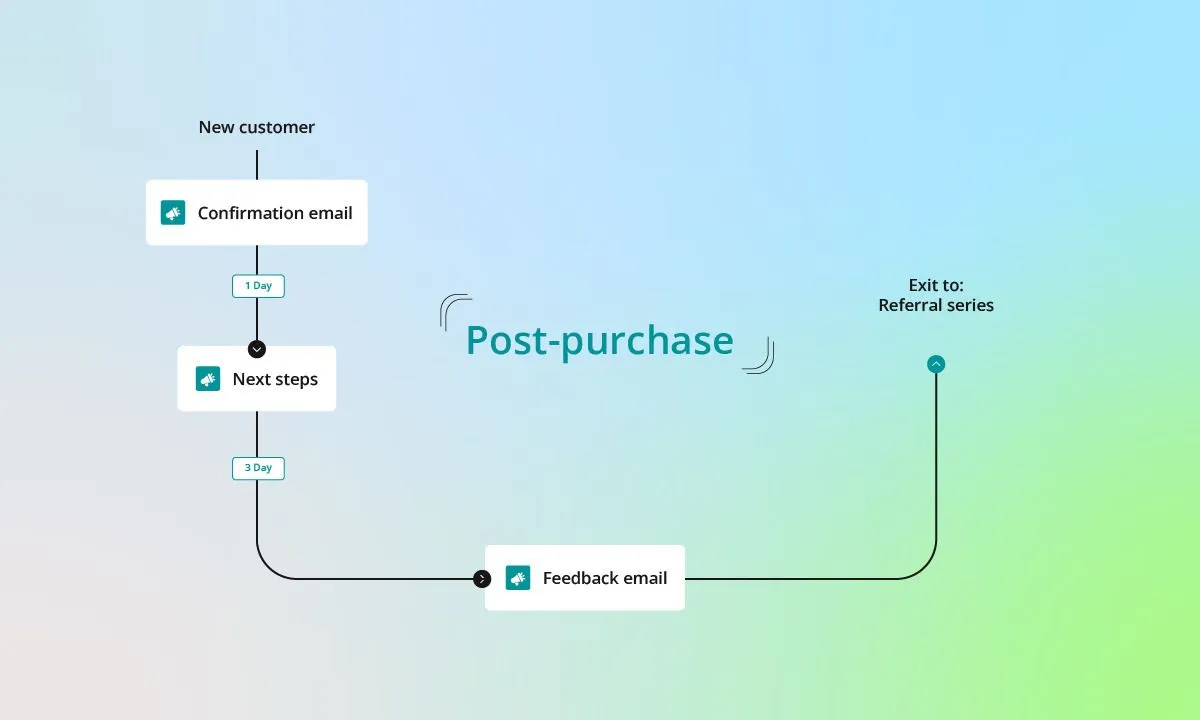
A post purchase email is any automated message sent to a customer after they complete a transaction. These emails go beyond the standard order confirmation and shipping notification. They are designed to build trust, gather feedback, encourage repeat purchases, and deepen the relationship between the brand and the customer.
At a basic level, post purchase emails include:
- Order confirmation
- Shipping updates
- Delivery confirmation
At a more strategic level, they include:
- Product education
- Review requests
- Cross sell and upsell offers
- Replenishment reminders
- Referral invitations
According to guidance shared by platforms such as Klaviyo, Bloomreach, and Litmus, the post purchase stage is one of the most profitable moments in the customer lifecycle because engagement rates are typically higher than standard promotional campaigns.
Customers have just trusted your brand with their money. Their attention is at its peak. This is the moment to reinforce that trust.
What Makes Post Purchase Emails Important for Sales
Post purchase emails are not just operational messages. They are revenue generating assets.
Here is why they matter:
Higher open rates
Transactional emails often see significantly higher open rates than promotional emails because customers are expecting them.
Increased repeat purchases
A well timed follow up can bring customers back before they even consider competitors.
Stronger brand loyalty
Helpful onboarding content reduces buyer remorse and increases satisfaction.
Valuable social proof
Review emails help you collect testimonials that influence future buyers.
Higher customer lifetime value
Cross selling and upselling increase average order value and long term revenue.
Brands that invest in the best post purchase emails treat this stage as part of their sales engine rather than a support function.
Post Purchase Emails Benchmarks
While performance varies by industry, some general benchmarks help set realistic expectations.
- Open rates are typically higher than standard marketing emails.
- Click through rates depend heavily on the type of message, with review requests and replenishment emails often performing well.
- Revenue per recipient can be strong for cross sell and upsell emails because the audience is already warm.
It is important to measure:
- Open rate
- Click through rate
- Conversion rate
- Revenue generated per email
- Repeat purchase rate
Instead of focusing only on immediate clicks, evaluate how your post purchase email flow affects overall retention and lifetime value.
Types of Post Purchase Emails
Different business models require different flows. Below are the most effective categories with practical explanations and post purchase emails examples.
Rating and Reviews Emails
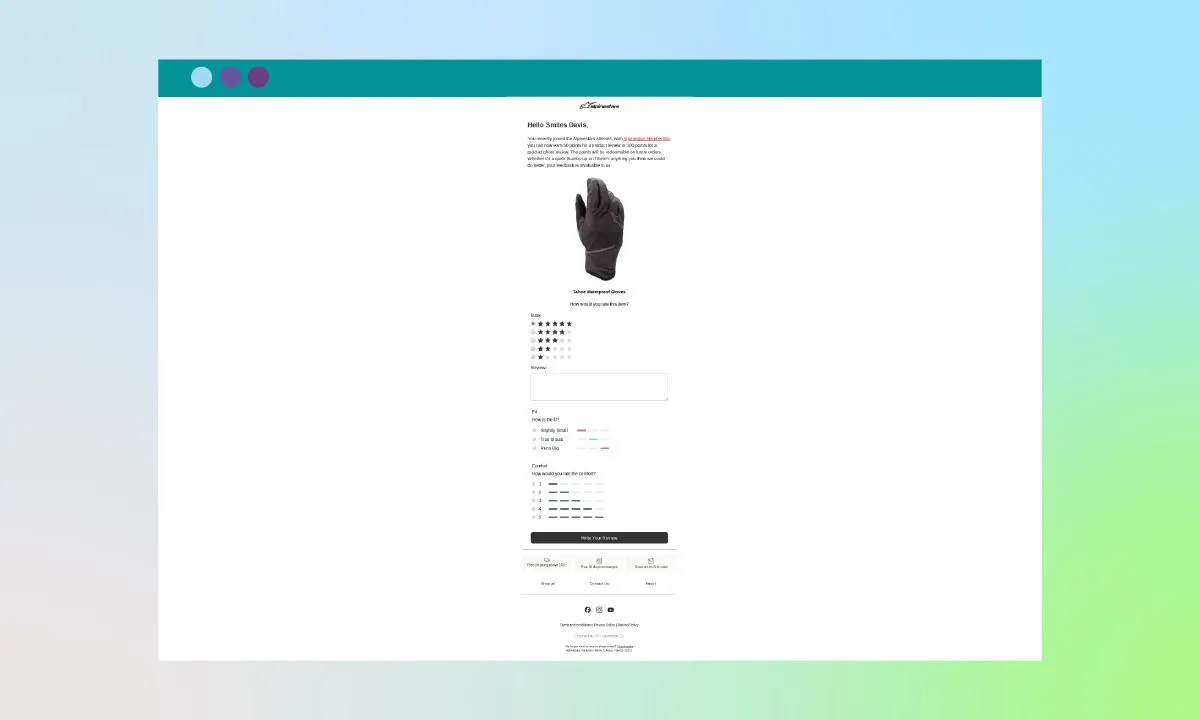
Review request emails are typically sent after delivery, once the customer has had time to experience the product.
Their goals are:
- Collect ratings
- Generate written reviews
- Build social proof
- Identify dissatisfied customers
For example, many ecommerce brands featured on Really Good Emails showcase review emails that offer incentives such as loyalty points or discount codes in exchange for feedback.
Best practices include:
- Sending the request after confirmed delivery
- Keeping the message short and clear
- Including a direct review button
- Offering optional incentives
Reviews improve conversion rates across your store and support future marketing campaigns.
Replenish Emails
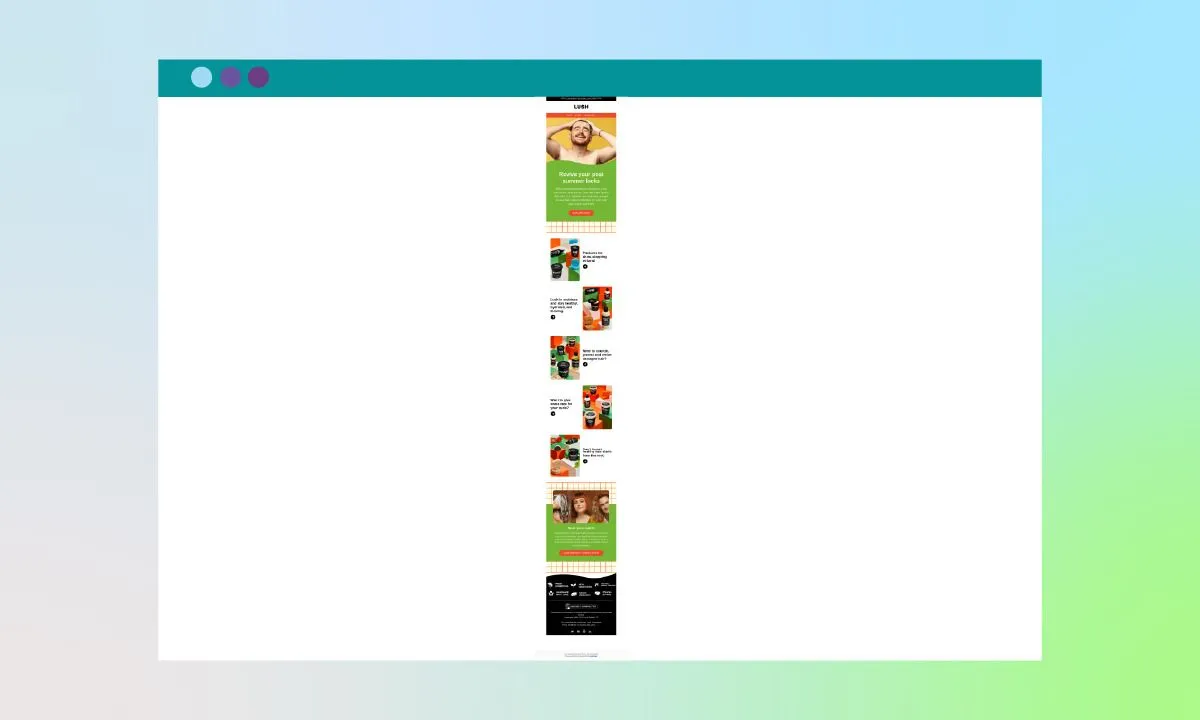
Replenishment emails remind customers to reorder consumable products such as supplements, skincare, or household items.
Timing is critical. The reminder should arrive slightly before the product is likely to run out.
Effective replenish emails:
- Reference the original purchase
- Suggest the same product
- Provide a quick reorder button
- Offer subscription options if available
These emails work exceptionally well for recurring need products and are a powerful driver of retention.
Cross Selling
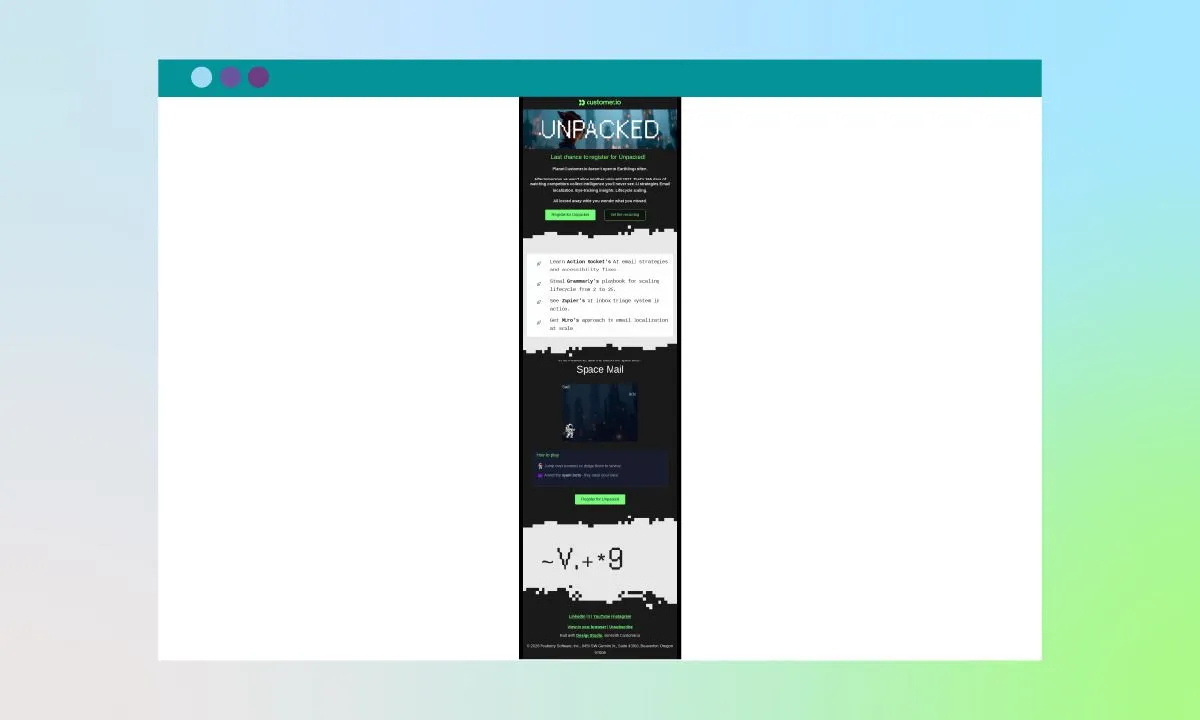
Cross selling introduces complementary products related to the original purchase.
For example:
- A customer buys a camera and receives suggestions for lenses and memory cards
- A skincare buyer receives recommendations for matching serums
Cross selling increases average order value and introduces customers to your broader catalog.
The key is relevance. Recommendations should align directly with the original purchase rather than promoting unrelated inventory.
Upselling
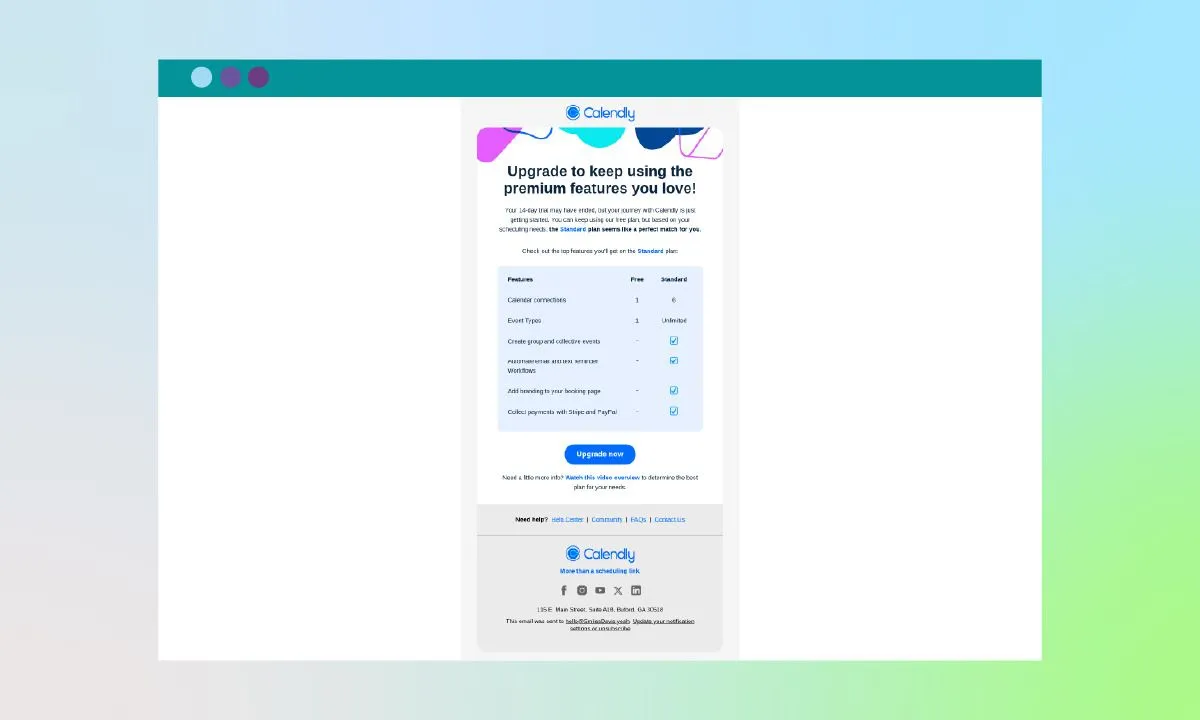
Upselling encourages customers to purchase a higher tier product or upgrade their plan.
A strong example of upselling can be seen in subscription models where customers are invited to upgrade to premium features after experiencing the base plan. Many software brands, including large marketplaces like Amazon, use post transaction messaging to promote premium services and add ons.
Upsell emails perform best when:
- Customers already see value in your product
- The upgrade clearly explains added benefits
- The offer feels helpful rather than pushy
Nurturing Emails
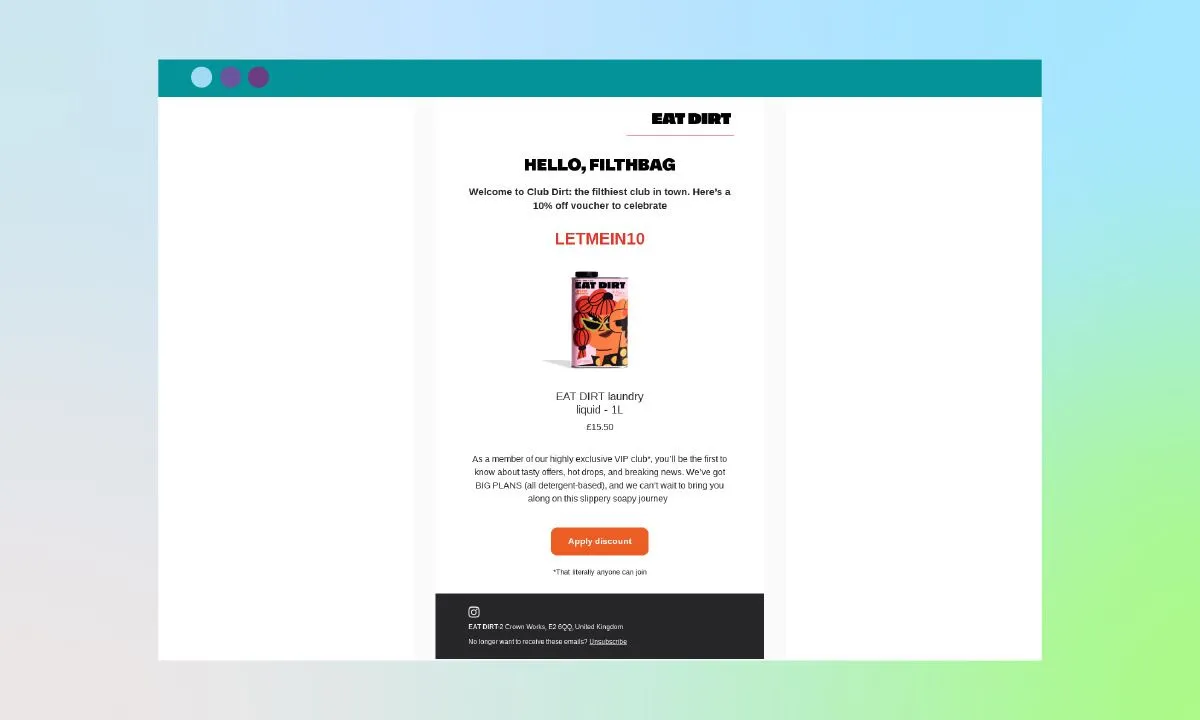
Nurturing emails focus on building long term relationships rather than immediate sales.
Examples include:
- Product care tips
- How to use guides
- Brand story content
- Educational resources
These emails reduce refund rates and increase satisfaction by helping customers get the most from their purchase.
For complex or high value products, nurturing emails are essential.
Referral Emails
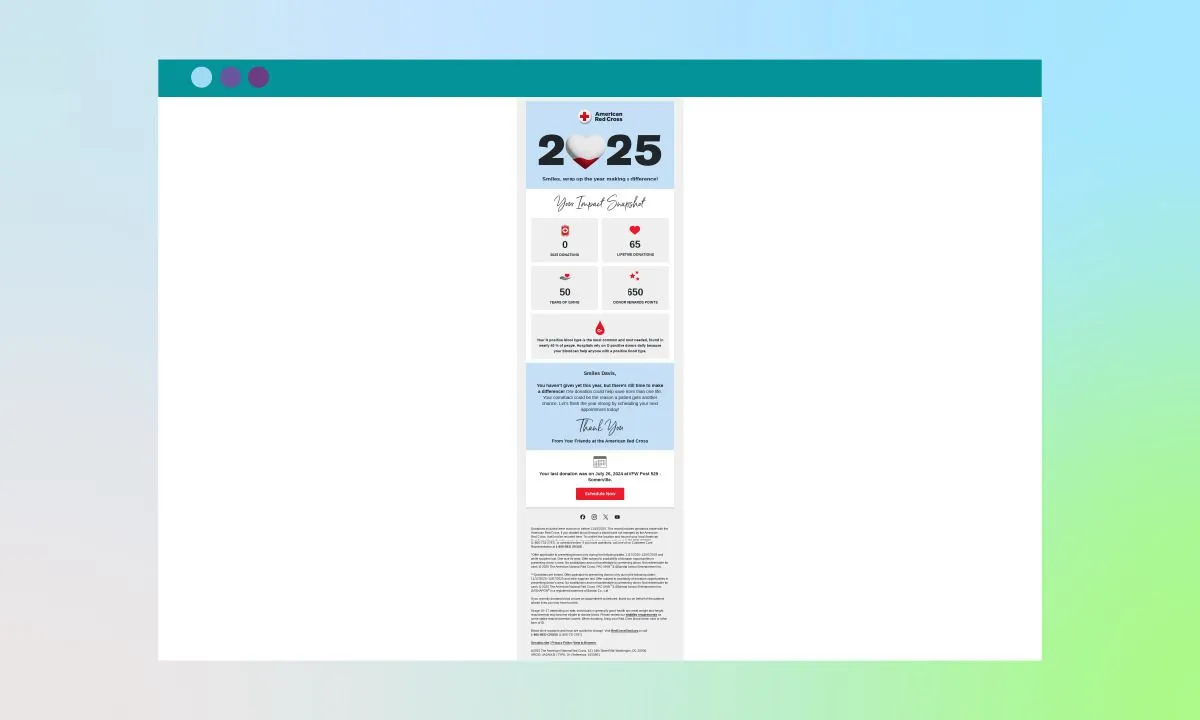
Referral emails encourage customers to share your brand with friends.
These emails typically include:
- A referral link
- An incentive for the referrer
- A reward for the friend
Referral programs turn satisfied customers into acquisition channels. When timed correctly after a positive experience, they can significantly reduce acquisition costs.
Post Purchase Emails Workflows
A single email is rarely enough. High performing brands build structured workflows.
Post Purchase Email Timings
Timing depends on product type and shipping duration, but a general structure may look like this:
- Immediately after purchase - Order confirmation
- One to two days after shipment - Shipping confirmation and tracking
- After delivery - Product education or setup guidance
- Seven to fourteen days after delivery - Review request
- Thirty days later - Replenishment or cross sell offer
Each message should have a clear purpose and not overlap unnecessarily.
Sequence Strategies
Effective sequences follow a logical progression:
- Confirm and reassure
- Educate and support
- Collect feedback
- Encourage repeat purchase
- Promote advocacy
Do not send every message at once. The sequence should feel natural and spaced appropriately.
Automations and Triggers
Modern email platforms allow you to automate post purchase flows based on triggers such as:
- Order placed
- Product category purchased
- Order value threshold
- Subscription start or end
- Delivery confirmation
Using automation ensures that the right message reaches the right customer at the right time without manual effort.
Segmentation is equally important. A first time buyer may need more nurturing compared to a repeat customer who is ready for cross sell opportunities.
Post Purchase Emails: Tips and What to Avoid
Even the best post purchase emails can underperform if executed poorly. Below are practical guidelines.
Do Not Overwhelm
Avoid sending too many emails in a short time frame. Overcommunication leads to fatigue and unsubscribes.
Prioritize clarity and spacing. Each email should serve a single purpose.
Work on Your Copy Writing
Your copy should be:
- Clear
- Direct
- Benefit driven
- Focused on the customer
Avoid excessive promotional language in operational emails. Maintain a helpful tone.
Use strong calls to action that clearly explain the next step.
Personalize Where Needed
Personalization increases relevance and engagement.
You can personalize by:
- First name
- Product purchased
- Purchase date
- Location
- Purchase frequency
Dynamic content blocks allow you to tailor recommendations without creating multiple campaigns manually.
However, personalization must feel natural. Avoid overusing data in a way that appears intrusive.
Guardian Opinion Post Purchase Emails
While not a standard industry term, discussions such as guardian opinion post purchase emails often refer to brand perspective pieces or editorial style follow ups that add depth and credibility. These emails focus on values, mission, sustainability efforts, or community impact rather than direct selling.
Such content strengthens emotional connection and differentiates your brand in crowded markets.
Amazon Post Purchase Emails
When analyzing amazon post purchase emails, several patterns stand out:
- Clear confirmations
- Transparent delivery updates
- Structured review requests
- Strategic cross sell placements
The system is built on automation, clarity, and relevance. Every message has a defined objective and minimal friction.
Smaller brands can adopt similar principles without replicating the exact format.
Final Thoughts: Test, Analyze, Repeat
A strong post purchase email strategy is not built in a day. It requires continuous testing and optimization.
Focus on:
- Subject line testing
- Timing experiments
- Incentive variations
- Recommendation logic
- Content length
Monitor not only short term clicks but long term retention metrics.
The post purchase phase is often underestimated. Yet it is one of the few moments where attention, trust, and intent intersect. Brands that treat post purchase email as a revenue channel rather than a transactional necessity consistently outperform those that do not.
If your current strategy ends at order confirmation, you are leaving revenue on the table. Build structured workflows, keep communication relevant, and continuously refine based on data.
Sales do not stop at checkout. With the right post purchase emails, they continue to grow.