

Last updated on
February 15, 2026
Customer inactivity is inevitable but lost customers do not have to be permanent. Win-back emails are one of the most effective email marketing tools for re-engaging inactive subscribers, recovering churned customers, and reigniting interest in your brand.
When executed correctly, customer win-back emails can revive dormant relationships, boost revenue, and improve long-term retention without the high cost of new customer acquisition.
In this guide, we’ll break down what win-back emails are, when to send them, and share 10 proven win-back email examples that consistently drive re-engagement.
A win-back email is a targeted message sent to inactive or disengaged subscribers with the goal of re-engaging them. These emails acknowledge inactivity and give recipients a compelling reason to return; whether through reminders, incentives, new offerings, or emotional triggers.
Unlike standard promotional emails, win-back emails are highly contextual and personalized. They focus on rekindling interest rather than pushing immediate sales.
Common goals of win-back emails include:
Timing plays a critical role in the success of win-back campaigns. Sending too early may feel unnecessary; sending too late may mean the relationship is already lost.
Typical triggers for customer win-back emails include:
Many brands deploy win-back emails as part of a re-engagement email sequence, gradually increasing urgency or incentives across multiple touchpoints.
Below are 10 of the best win-back emails, categorized by approach and intent, with real-world inspiration links.
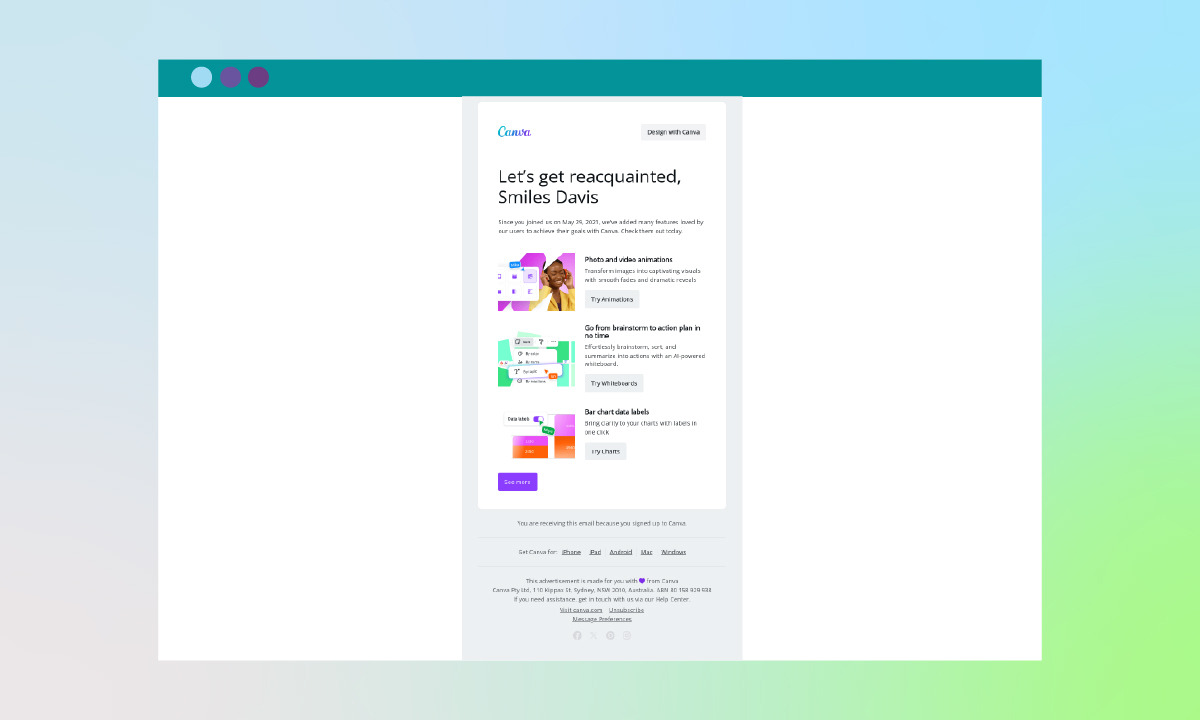
Goal: Re-introduce your brand and remind users why they signed up.
This email assumes positive intent and gently refreshes the subscriber’s memory without pressure.
Why it works:
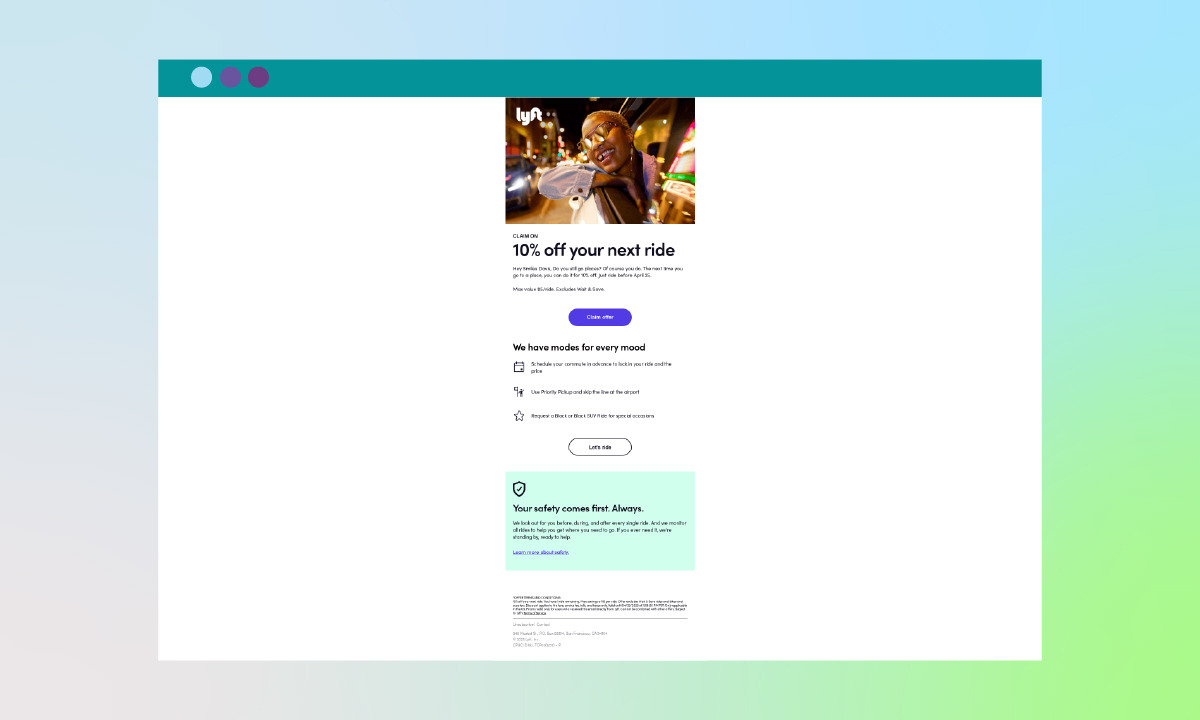
Goal: Use urgency and incentives to prompt action.
A well-timed discount can remove hesitation and reignite buying behavior.
Why it works:
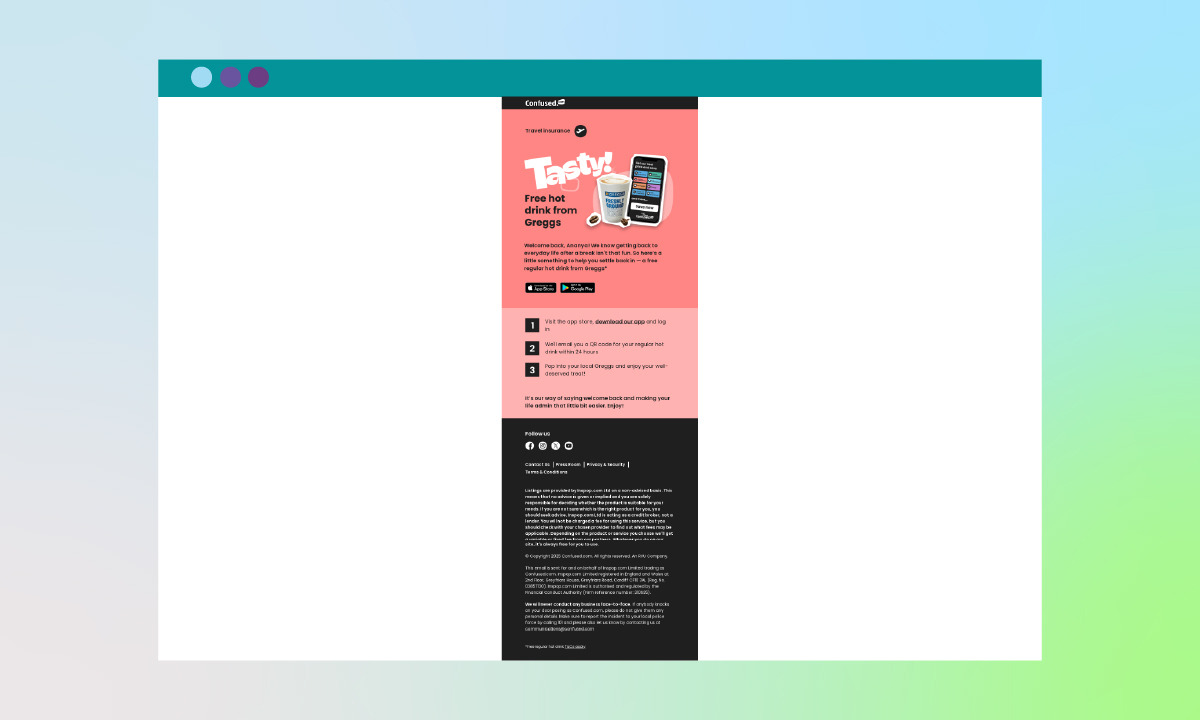
Goal: Reward return engagement with an exclusive perk.
Rather than framing it as a discount, this email positions the incentive as a “welcome back” benefit.
Why it works:
Goal: Create an emotional connection.
This type of win-back email leverages familiarity and brand personality to re-engage users.
Why it works:
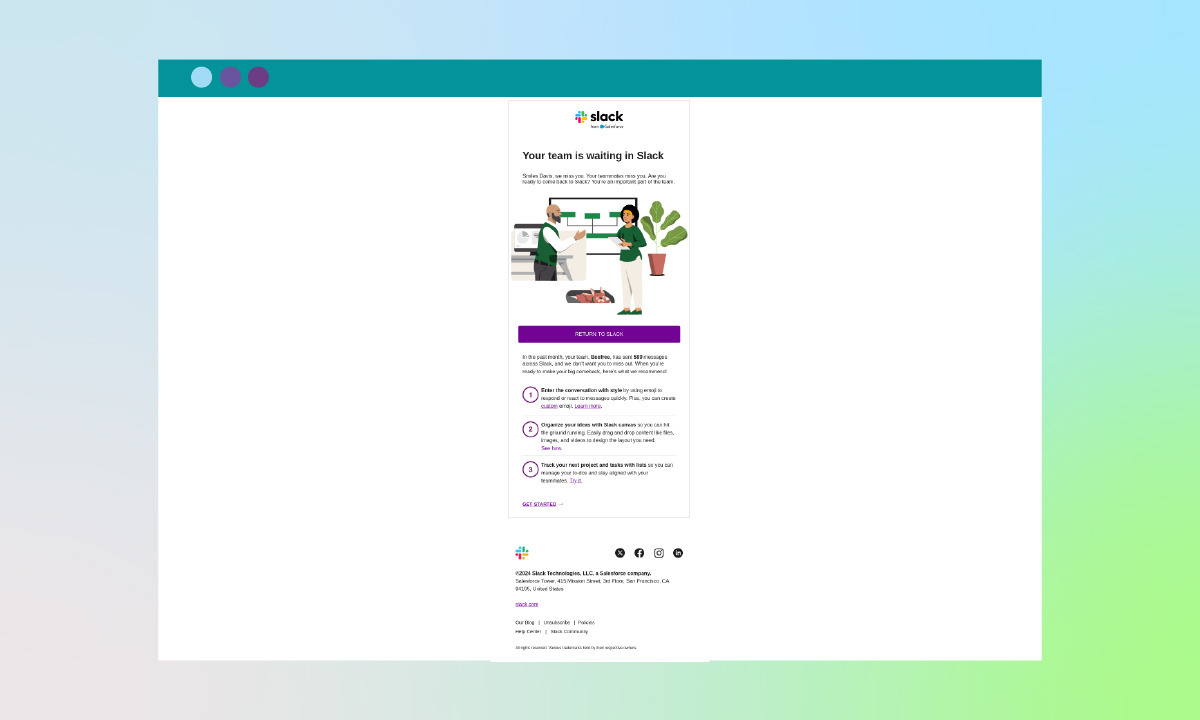
Goal: Highlight updates, features, or content.
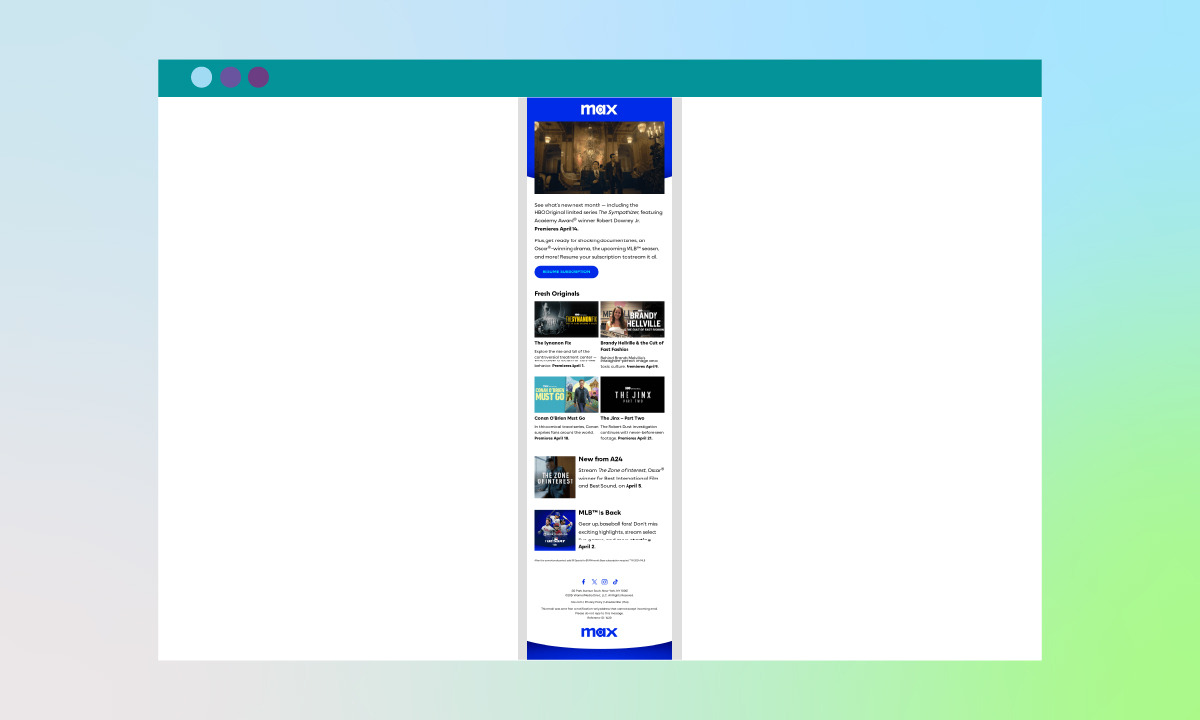
Inactive users may simply be unaware of what’s new. This email reframes your brand as fresh and evolving.
Why it works:
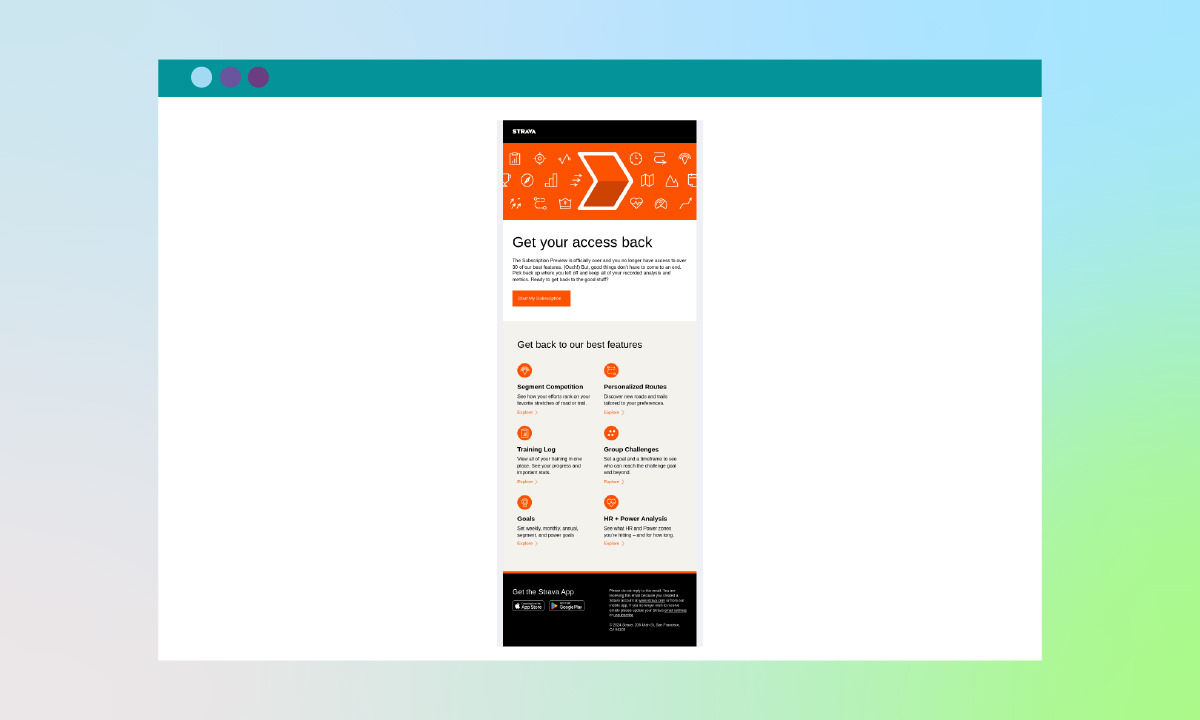
Goal: Convert expired trial users.
This email targets users who experienced your product but didn’t commit.
Why it works:
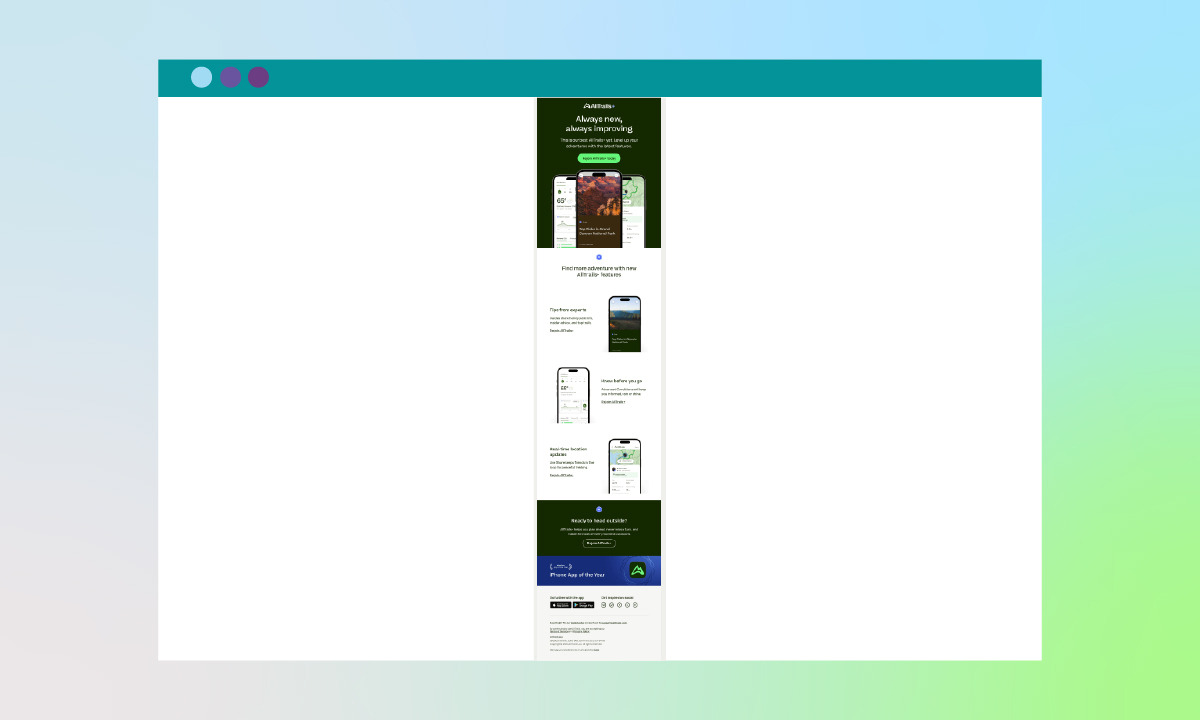
Goal: Restart the conversation.
Instead of selling, this email invites users to reconnect and explore what they’ve missed.
Why it works:
Goal: Capture attention immediately.
The subject line alone acts as the hook, driving opens through curiosity and value.
Why it works:
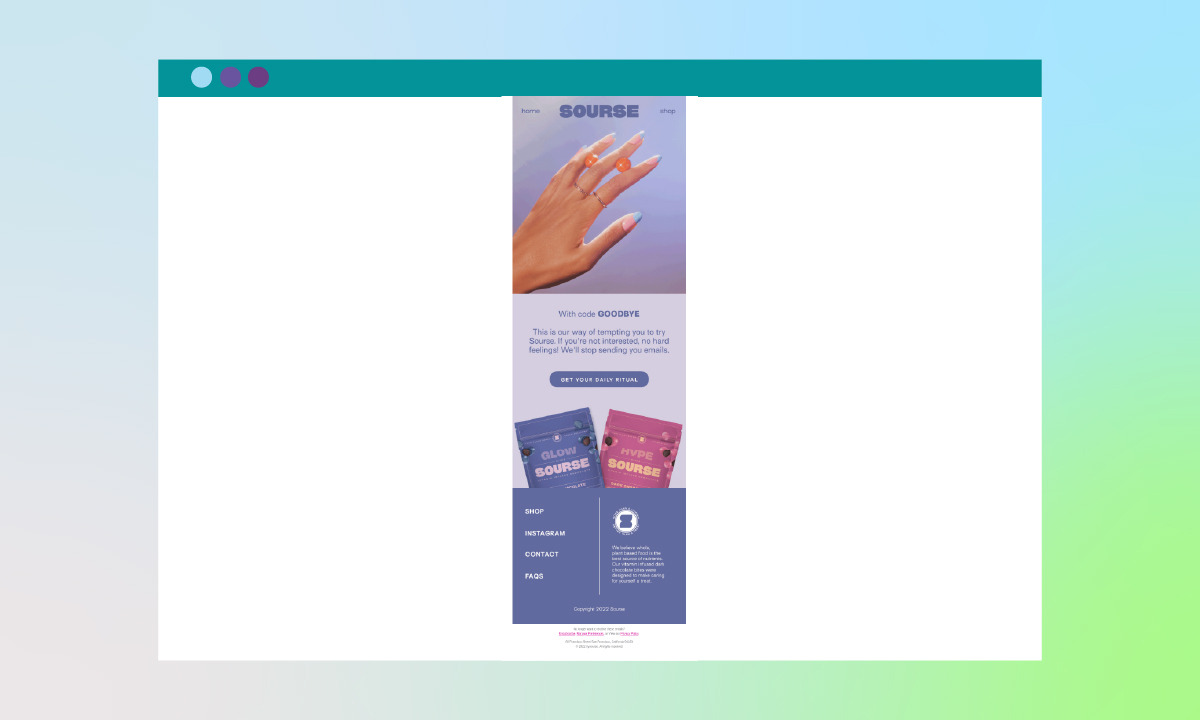
Goal: Leverage social proof and FOMO.
This email reminds subscribers of the benefits others are enjoying.
Why it works:
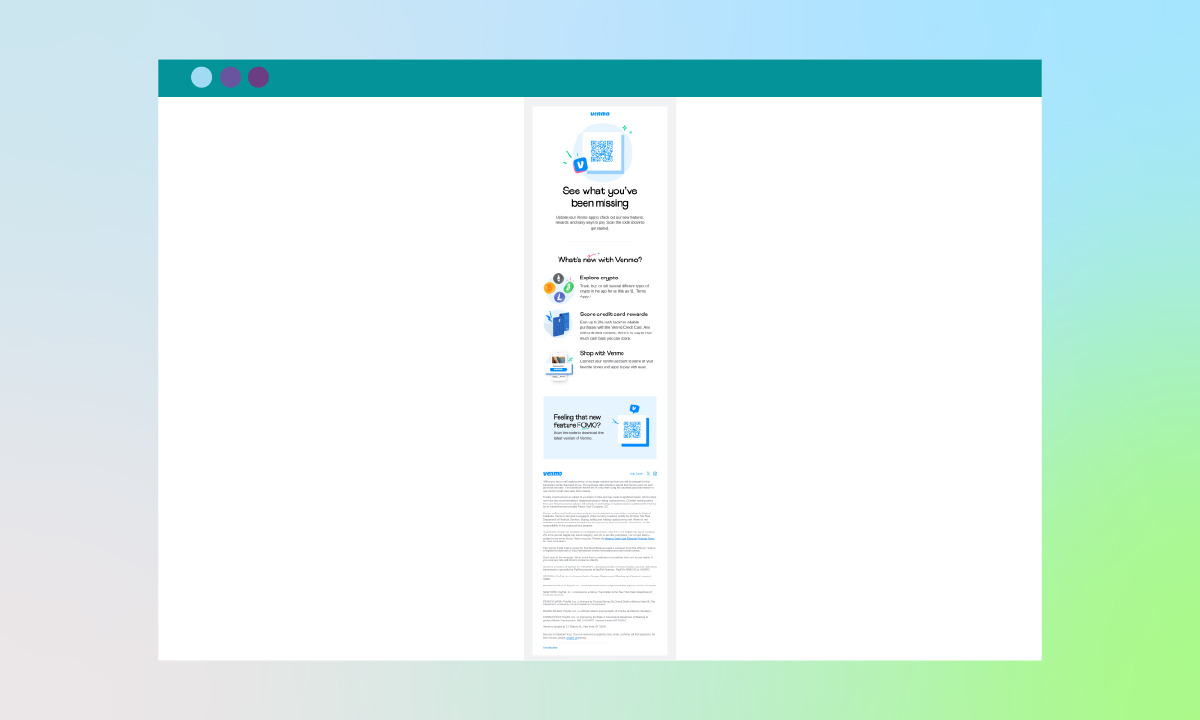
Goal: Reignite intent-based interest.
This email references previously viewed or engaged content, making it highly personalized.
Why it works:
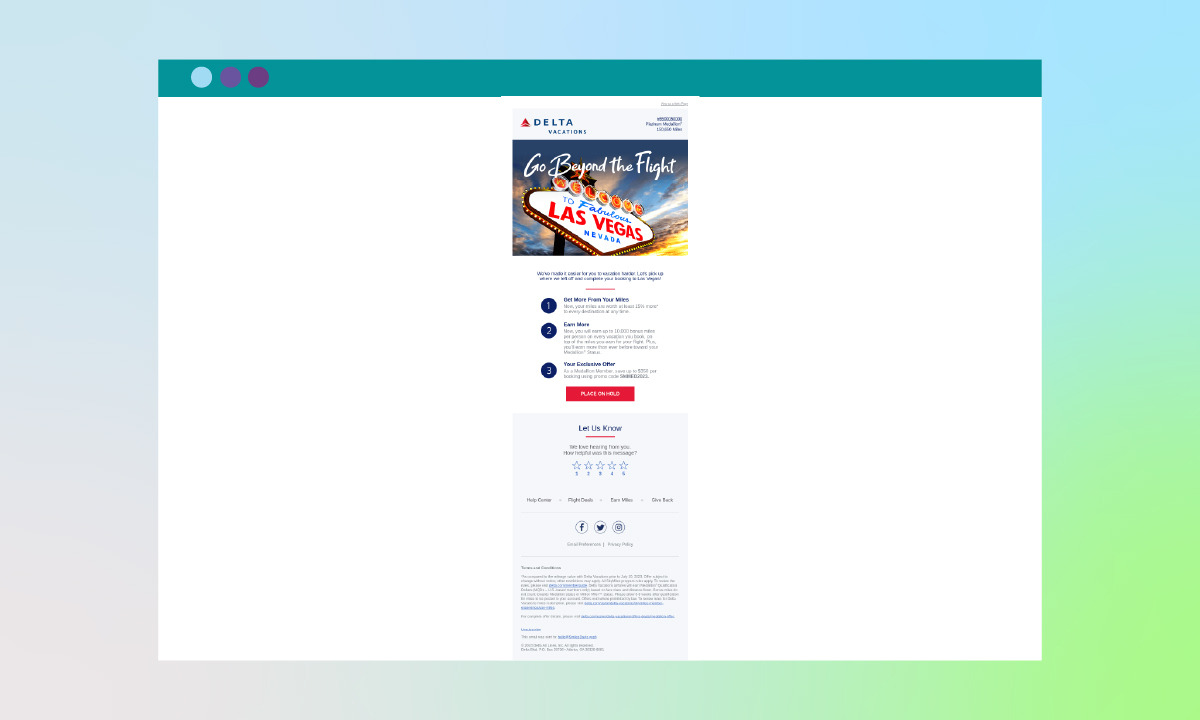
To maximize results from your win-back email campaigns:
Effective win-back emails prioritize relevance over volume.
High-performing customer win-back emails often combine:
The most successful brands treat win-back emails as a relationship recovery strategy, not just a promotional tactic.
Win-back emails are one of the most cost-effective ways to recover lost customers and improve retention. With the right timing, messaging, and structure, they can transform inactive subscribers into loyal advocates.
By using these best win-back email examples and proven strategies, you can build re-engagement campaigns that feel timely, valuable, and human while driving measurable business results.
Ayesha Ejaz is a passionate writer who loves diving into research to explore new topics and broaden her knowledge. With a keen interest in learning through writing, Ayesha crafts informative and engaging content across various subjects. You'll find her unwinding with music or challenging herself with word search puzzles when she's not writing.
Tags:


