Email Marketing for Small Businesses: A Complete Guide to Building Relationships and Driving Growth

Ayesha Ejaz Last updated on

Email marketing for small businesses is one of the most reliable and cost-effective ways to build lasting relationships with users, increase brand awareness, and drive consistent revenue. While digital marketing trends continue to change, email remains a channel that delivers long-term value and measurable results.
For marketing managers at small businesses, email marketing offers control, flexibility, and scalability. You can reach users directly, personalize your messaging, and guide them through the customer journey without relying entirely on paid ads or social media algorithms.
This guide explains what email marketing is, why it matters for small businesses, how to implement it effectively, and why Mailmunch is an ideal platform to get started.
What Is Email Marketing?
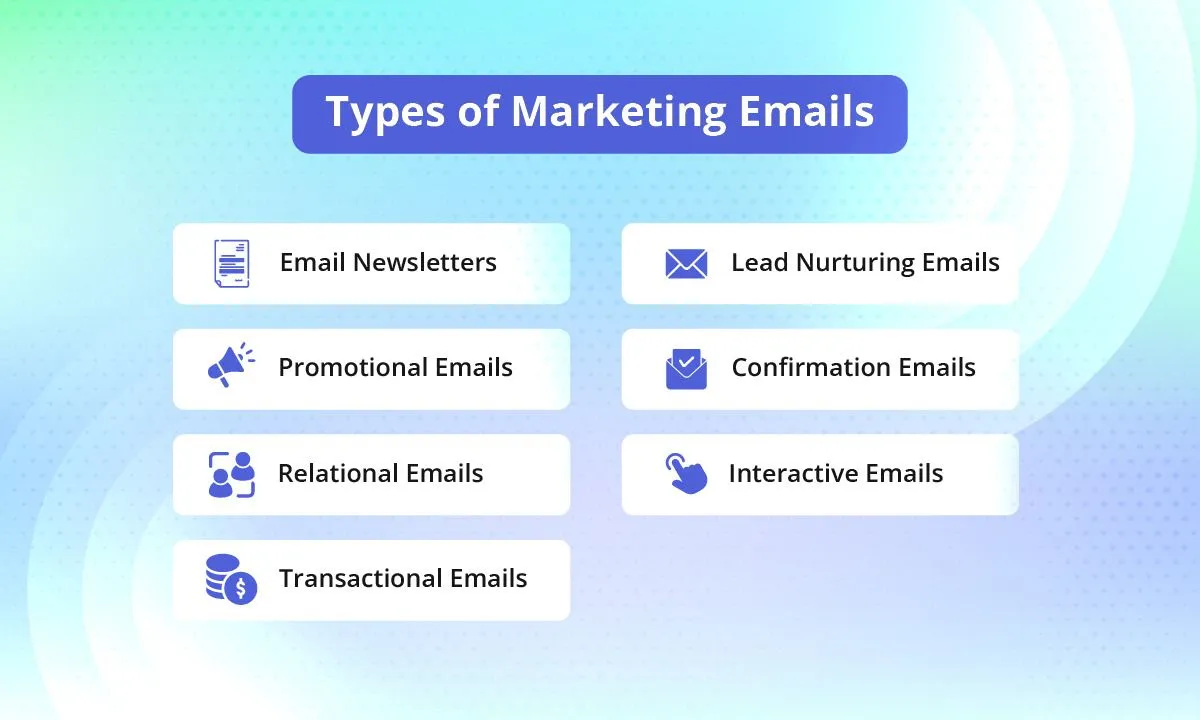
Email marketing is the process of sending targeted messages to a group of people who have chosen to receive communication from your business. These emails can include promotions, product updates, newsletters, educational content, or transactional messages.
Unlike many other marketing channels, email allows you to communicate directly with your audience. Once a user subscribes, you have permission to appear in their inbox, which creates a unique opportunity to build trust and deliver value over time.
For small businesses, email marketing is not just about selling products. It is about creating meaningful interactions that support long-term growth and brand loyalty.
Why Email Marketing Matters for Small Businesses
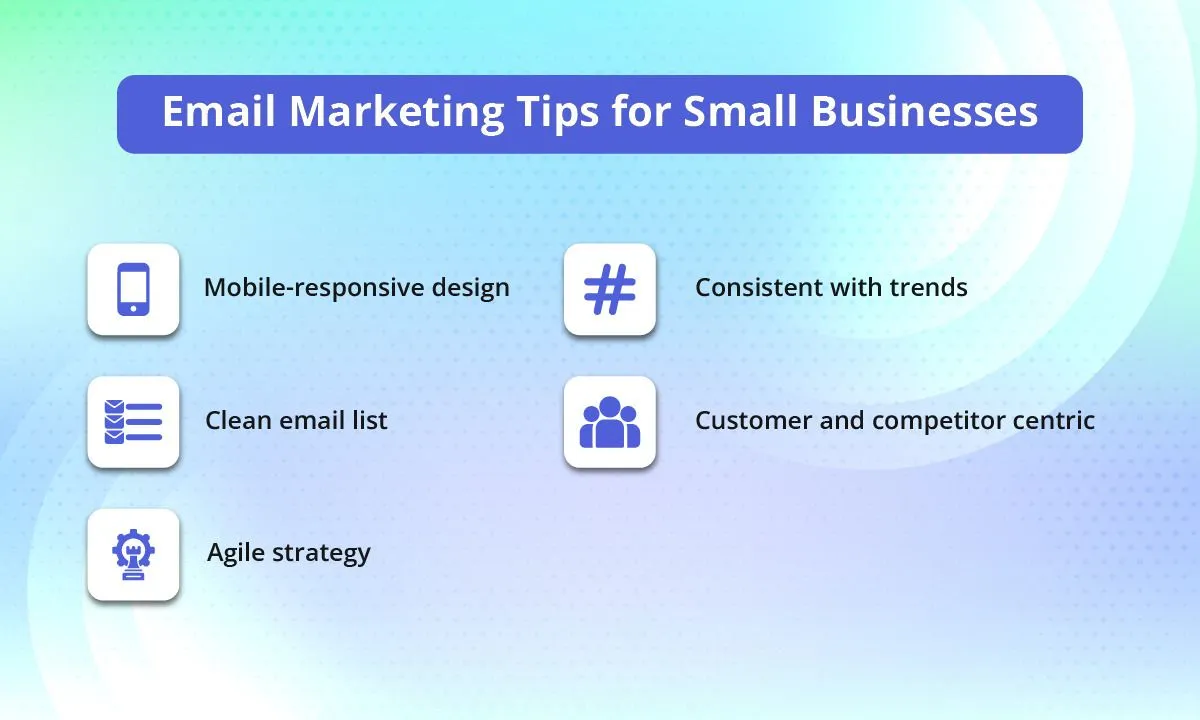
Small businesses often face limited budgets, small teams, and high competition. Email marketing addresses these challenges by offering a channel that is affordable, effective, and easy to scale.
One of the biggest advantages of email marketing is its high return on investment. Compared to paid advertising, email allows you to communicate with hundreds or thousands of users at a relatively low cost. This makes it especially valuable for businesses that need to maximize every marketing dollar.
Email marketing also gives small businesses ownership of their audience. Social media platforms can change algorithms or restrict reach, but your email list remains yours. This control ensures consistent communication with users regardless of external platform changes.
How Email Marketing Supports the Customer Journey
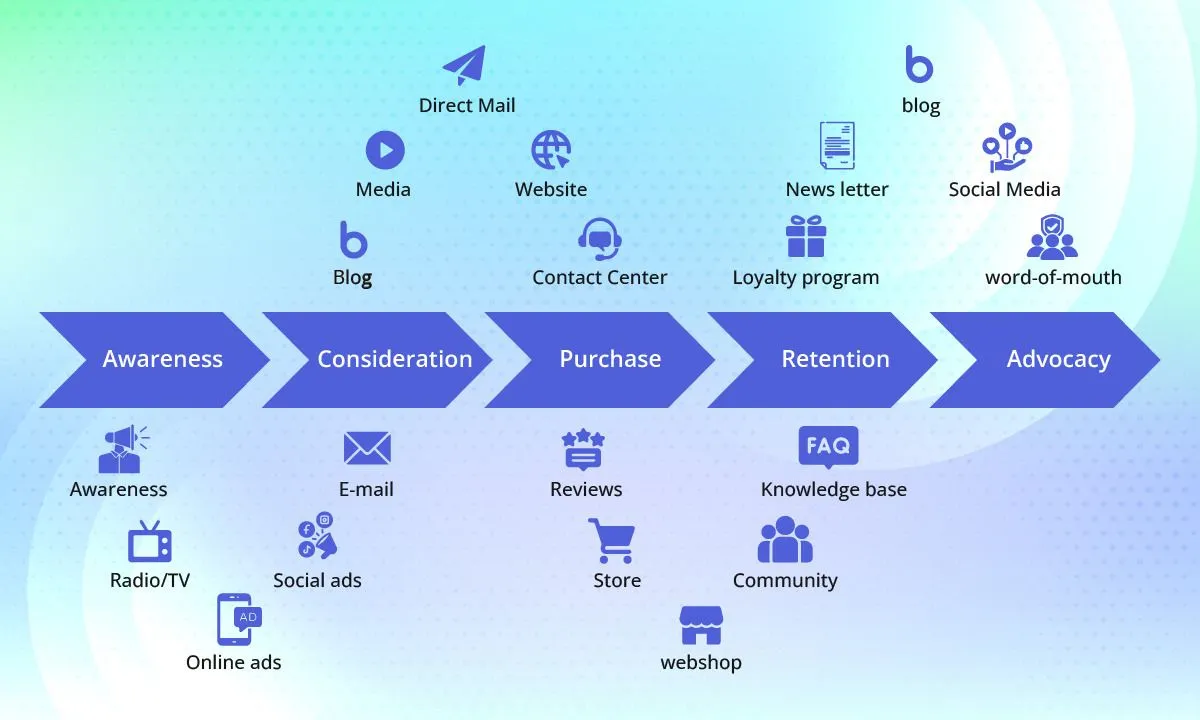
Email marketing plays a role at every stage of the customer journey. From the first interaction to long-term retention, email helps guide users toward meaningful actions.
At the awareness stage, welcome emails introduce your brand and set expectations. These messages help users understand who you are and what value you provide.
During the consideration stage, educational emails, product explanations, and testimonials help users evaluate their options. Clear and informative emails can influence purchasing decisions without aggressive selling.
At the conversion stage, promotional emails, limited-time offers, and abandoned cart reminders encourage users to take action. These emails are often responsible for direct revenue growth.
After purchase, follow-up emails, onboarding messages, and feedback requests strengthen relationships and increase retention. Loyal users are more likely to buy again and recommend your business.
Building an Email List the Right Way
A strong email marketing strategy starts with a quality email list. For small businesses, growing a permission-based list is essential.
Users should willingly subscribe because they see value in your content. Avoid purchasing email lists, as this can harm deliverability and damage your brand reputation.
Effective list-building methods include website signup forms, popups, checkout opt-ins, and lead magnets such as discounts, guides, or exclusive content. The goal is to clearly communicate why users should subscribe and what they will receive.
The size of your list matters less than engagement. A smaller list of interested users often performs better than a large list of inactive contacts.
The Importance of Segmentation in Email Marketing
Segmentation allows you to send more relevant emails to different groups within your audience. Instead of sending the same message to everyone, you can tailor content based on user behavior or characteristics.
Common segmentation methods include purchase history, location, engagement level, and signup source. Even basic segmentation can significantly improve open rates and click-through rates.
For marketing managers, segmentation helps ensure that users receive content that aligns with their needs and interests. This leads to better performance and stronger relationships.
Creating Effective Email Content
The success of email marketing depends heavily on content quality. Emails should be clear, helpful, and easy to read.
Strong subject lines encourage users to open your emails. They should be concise, relevant, and focused on value rather than clickbait.
Inside the email, content should be scannable. Short paragraphs, clear headings, and simple language make emails easier to read, especially on mobile devices.
Every email should have a clear purpose and a single primary call to action. Whether you want users to read a blog, explore a product, or complete a purchase, clarity improves results.
The Role of Automation in Email Marketing
Automation is one of the most powerful features of email marketing for small businesses. Automated emails are triggered by user actions and sent without manual effort.
Common automation examples include welcome email series, abandoned cart reminders, post-purchase follow-ups, and re-engagement campaigns. These emails run in the background while delivering timely and relevant messages.
Automation saves time, ensures consistency, and improves user experience. For small teams, it allows email marketing to scale without adding workload.
Measuring Email Marketing Performance
Tracking performance is essential for improving email marketing results. Marketing managers should regularly review key metrics to understand what is working.
Important metrics include open rates, click-through rates, conversions, and unsubscribe rates. These indicators help identify strengths and areas for improvement.
Testing different subject lines, send times, and content formats can lead to better performance over time. Email marketing is an iterative process, and data-driven decisions lead to consistent improvement.
Common Email Marketing Challenges for Small Businesses
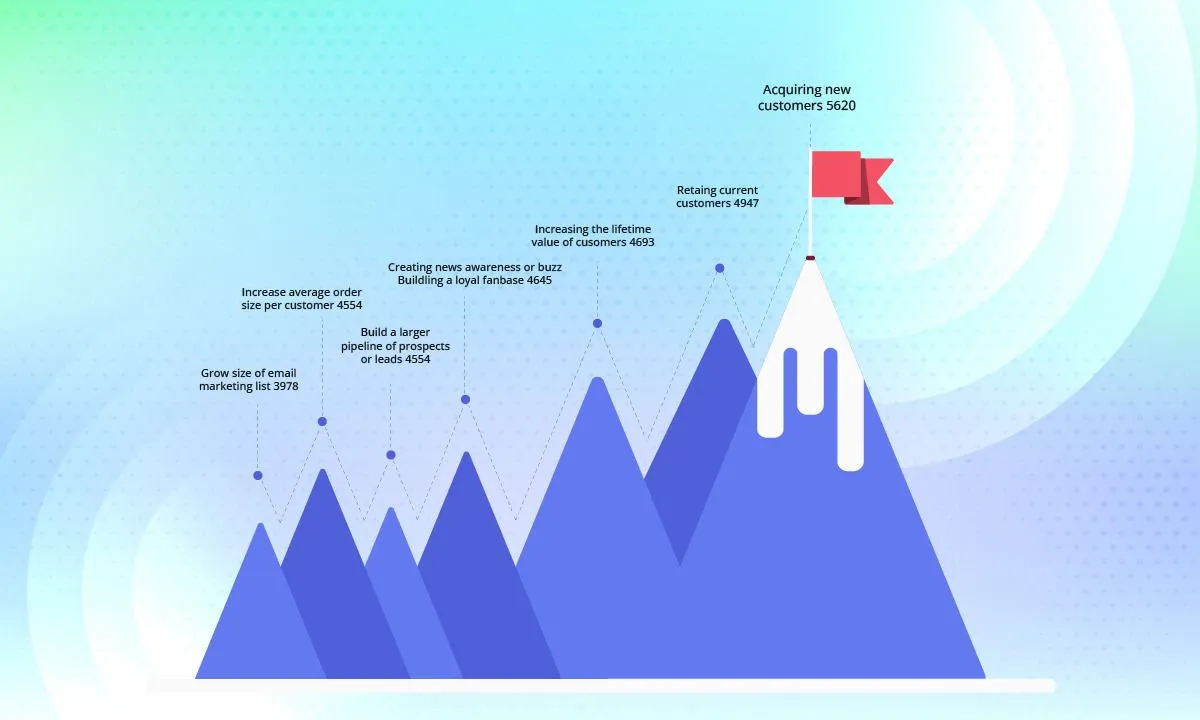
Many small businesses struggle with email marketing due to a lack of strategy or tools. Common challenges include inconsistent sending, poor list quality, and limited personalization.
Another challenge is creating emails that balance promotion with value. Sending too many sales-focused emails can lead to unsubscribes and disengagement.
Choosing the right platform is also critical. Complex tools can slow teams down, while limited tools may restrict growth. The right solution should be easy to use, flexible, and scalable.
Choosing the Right Email Marketing Platform
For small businesses, the ideal email marketing platform should simplify the process while offering essential features. Ease of use, affordability, automation, and reporting are key considerations.
Marketing managers need tools that allow them to design emails, manage lists, automate campaigns, and track results without technical complexity.
This is where Mailmunch becomes a strong choice.
Why Mailmunch Is Ideal for Email Marketing for Small Businesses
Mailmunch is designed to help small businesses launch and grow their email marketing efforts efficiently. It combines simplicity with powerful features that support long-term growth.
Mailmunch makes list building easy through customizable signup forms, popups, and embedded opt-ins. These tools help businesses capture leads directly from their websites.
The platform offers a large library of professionally designed email templates. Marketing managers can create visually appealing emails without design or coding skills.
Mailmunch also supports email automation through visual workflows. Setting up welcome emails, abandoned cart sequences, and automated journeys is straightforward and intuitive.
Advanced segmentation and targeting ensure that users receive relevant messages based on behavior and engagement. This improves performance and user experience.
Mailmunch provides clear and actionable reporting, allowing marketing teams to track opens, clicks, and conversions. These insights support continuous optimization.
Most importantly, Mailmunch scales with your business. As your email list and marketing needs grow, the platform grows with you.
Best Practices for Email Marketing Success
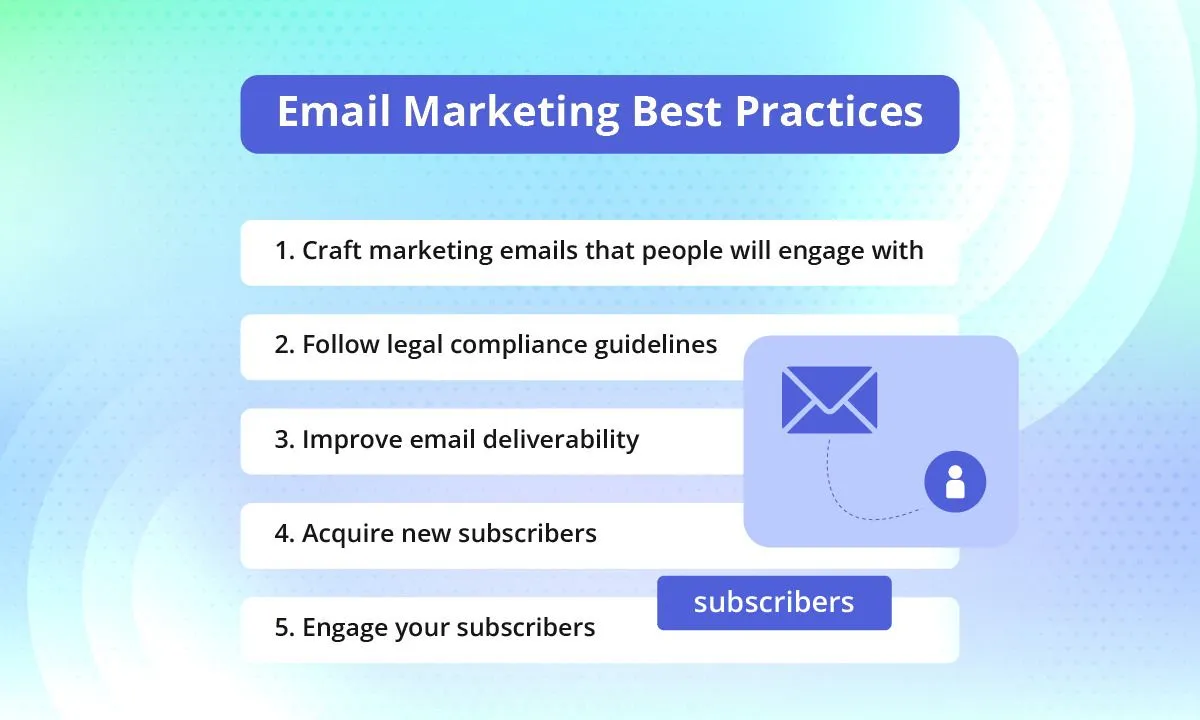
Here are a few practices to keep in mind:
- Consistency is key to successful email marketing. Sending emails regularly helps keep your brand top of mind without overwhelming users.
- Personalization improves engagement. Simple touches like using a user’s name or referencing past behavior can make emails feel more relevant.
- Mobile optimization is essential. Most users read emails on mobile devices, so designs should be responsive and easy to navigate.
- Maintaining list hygiene is also important. Removing inactive subscribers improves deliverability and overall performance.
Email Marketing as a Long-Term Strategy
Email marketing is not a one-time effort. It is a long-term strategy that delivers value over time when approached consistently and thoughtfully.
For small businesses, email marketing supports sustainable growth by building direct relationships with users. It complements other marketing channels and strengthens overall brand presence.
With the right approach, email marketing becomes a predictable and scalable growth engine.
Final Thoughts
Email marketing for small businesses is one of the most practical and impactful marketing strategies available today. It offers direct communication, measurable results, and long-term value.
By focusing on list building, segmentation, automation, and meaningful content, small businesses can turn email into a powerful driver of growth and retention.
For marketing managers looking to start or improve their email marketing efforts, Mailmunch provides an accessible and feature-rich platform that removes complexity and supports success from day one.
With the right strategy and the right tools, email marketing can become one of your most valuable business assets.