4 Hyper-Personalized Content Trigger Popups for Higher Conversions

Dhruv Mehta Last updated on

Point:82% of internet users hate popups.
Counterpoint: 27% of internet users are open to sharing their email addresses on popups.
This begs the question: What differentiates the fine line between point and counterpoint?
The secret lies in the way you design the popup.
Popups are no longer clunky, static boxes that once interrupted browsing. They now tap into visitors' behavior to make informed decisions. Someone’s about to leave? A strategic popup may reel them in. Someone needs a nudge to move ahead in the customer journey? A popup can move them along.
Interested to know more? We cover four types of hyper-personalized popups that demonstrate how you can capture more than one-fourth of your audience’s interest. The best part? Marketers can unlock these strategies with MailMunch products and features. Let's find out how.
The Case for Personalized Content Popups
Before diving into the different triggers, it’s important to understand why personalized content popups outperform static ones. The difference lies in timing, intent, and context: three factors that shape how users respond.
Why Static Popups Are Losing Effectiveness
Traditional popups treat all visitors the same. Whether someone is landing on your site for the first time or returning for the fifth time, they see the same message. This lack of personalization is frustrating and can turn away 7 out of 10 shoppers. Plus, static popups are no better than background noise. They’re easy to dismiss, and even easier to ignore.
How Behavior-Based Triggers Improve User Engagement
Behavior-based triggers flip the script. Instead of appearing randomly, these popups respond to what a visitor is actually doing on your site.
Scrolling through a blog post? The popup waits until they’ve shown interest. Spending time on a product page? The message aligns with that intent. This makes interactions feel relevant, timely, and far more engaging.
Impact on Conversion Rates and Bounce Reduction
Personalization increases conversion rate by 10% and reduces bounce rate by 23%. On the other hand, popups display your message front and center.
So, imagine the impact of personalized popups! Their individual effects will only compound. Conversion rate optimization popups show the right message at the right time, building smooth customer journeys.
4 Hyper-Personalized Content Trigger Popups for Higher Conversions
Personalization in popups works best when it’s tied to user behavior. Instead of guessing, you respond to signals visitors leave behind as they explore your site. Let’s look at four types of hyper-personalized popups that consistently deliver higher engagement and conversions.
Trigger-Based Website Popup #1 – Scroll-Depth Popups
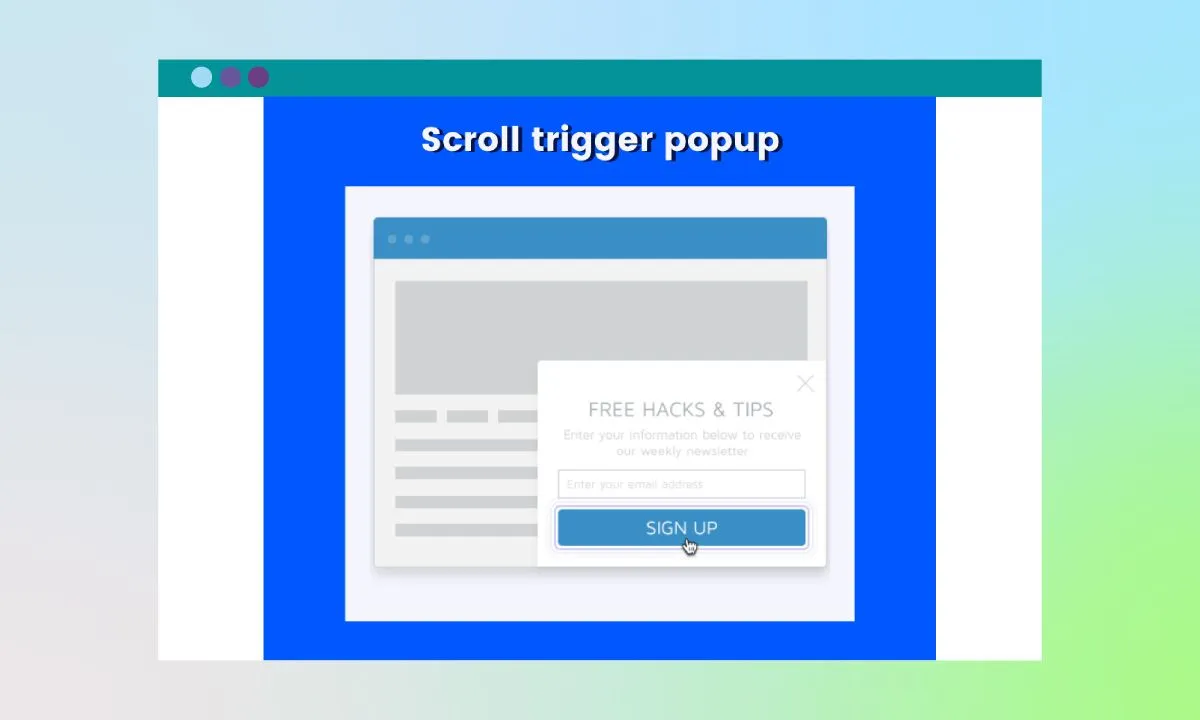
As the name suggests, scroll-depth popups appear when visitors scroll a certain distance. Say, 25% or 50% down the page. In this case, the scrolling becomes a trigger. After all, it indicates that the visitor is interested in the contents of the page.
And the more they scroll, the higher their interest. Since you’ve already captured their attention at this point, it would only make sense to add a conversion point here.
The popup would feel more natural, appearing at the moment when attention is high. Plus, it is only reaching out to someone who is actively engaging with the page. This way, it is less intrusive and more valuable.
Benefits
- Capture attention at the moment of peak interest.
- Reduce the risk of popups appearing too early.
- Personalize offers based on user commitment.
- Improve lead quality by targeting engaged visitors.
Use Cases
- Blog posts and guides where readers show depth of interest
- Product pages with detailed descriptions and reviews
- Case studies or whitepapers where scrolling reflects curiosity
With MailMunch, you can set smart scroll triggers and show popups exactly when readers are most engaged. Turn attention into action today!
Trigger-Based Website Popup #2 – Time-on-Page Popups
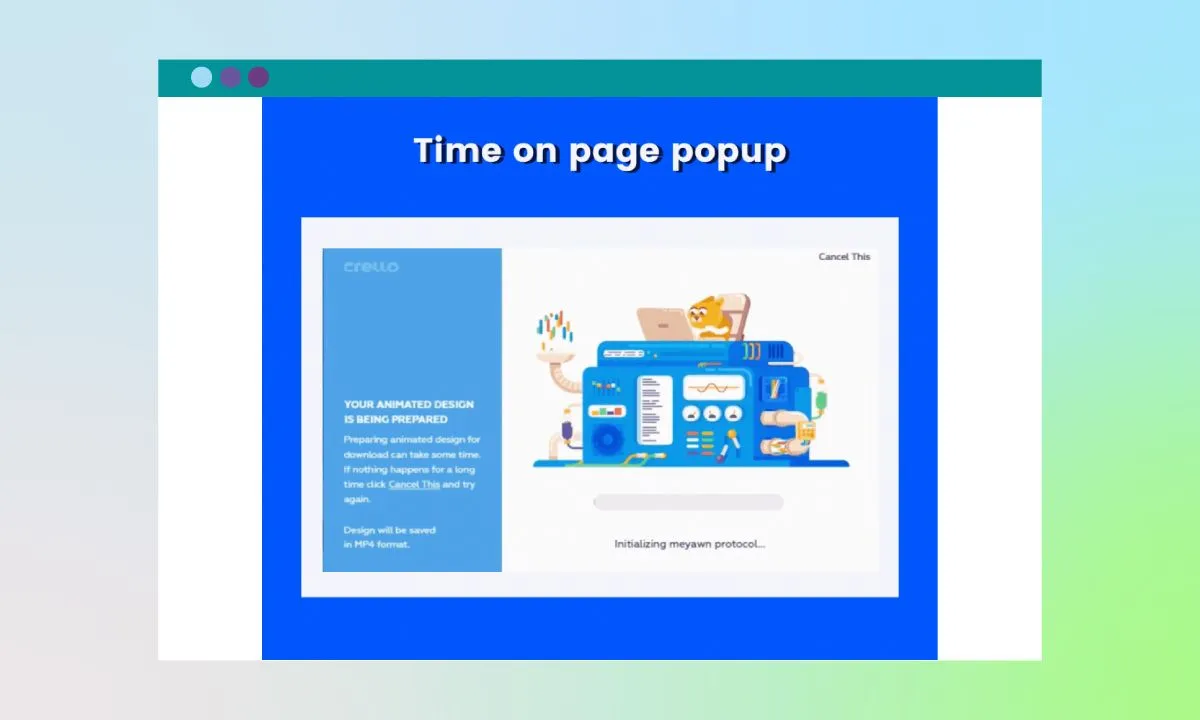
Time-on-page popups appear after a visitor spends a prescribed amount of time on your site. People who stick around longer are more likely to be interested, it’s as simple as that.
The challenge is getting the timing right. Show it too quickly, and it feels pushy. Wait a little longer, and you’re meeting the visitor right where they are curious and attentive.
Different pages call for different timings. On short landing pages, a popup after 10–15 seconds might work best. On in-depth blogs or guides, it makes sense to wait 50–60 seconds. Syncing the popup with the visitor’s pace helps you hit the sweet spot.
Benefits
- Avoids overwhelming users with instant popups
- Targets audiences that linger longer and are more invested
- Helps identify segments based on dwell time
- Increases chances of conversion by meeting users at the right moment
Use Cases
- Landing pages where users need time to evaluate offers
- Pricing or comparison pages where visitors weigh decisions
- Knowledge base or help articles where readers pause to learn
CTA - MailMunch allows marketers to fine-tune popup delays, so your messages appear precisely when engagement peaks. Create perfectly timed prompts now!
Trigger-Based Website Popup #3 – Exit-Intent Popups
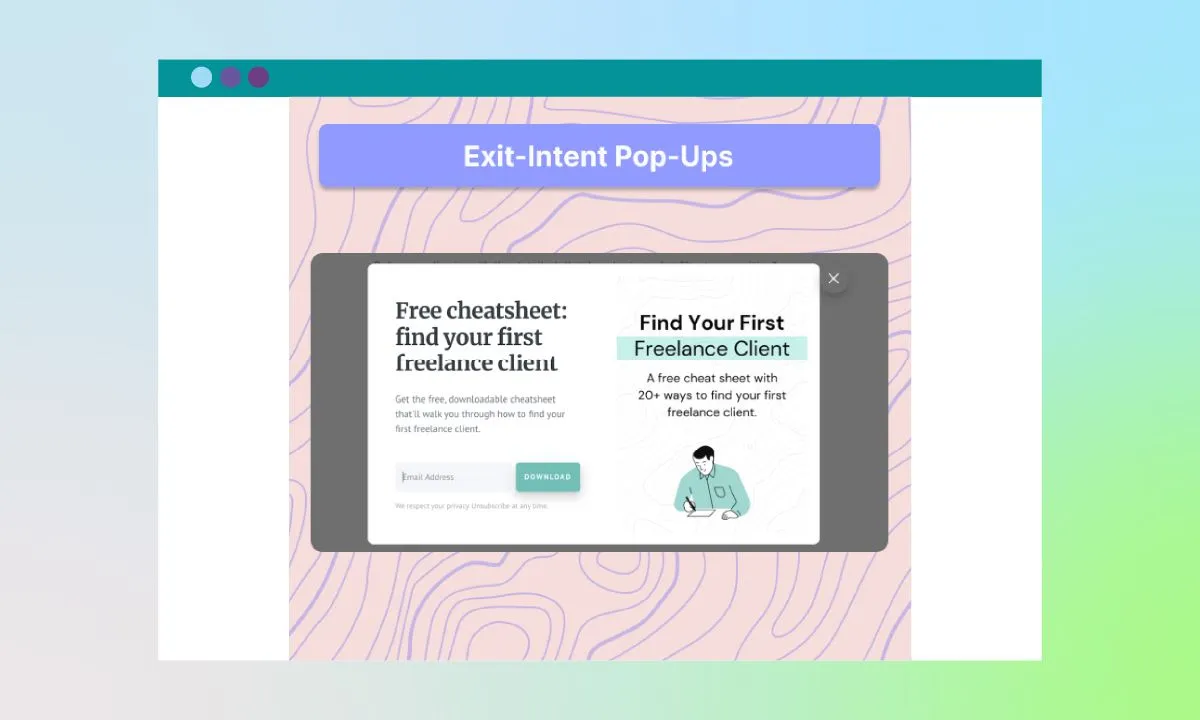
Exit-intent popups kick in when a visitor is about to leave your site. The technology tracks quick signals, like the mouse moving toward the close button or switching tabs, to catch attention at the very last second. It’s a clever way to grab one final chance to connect before someone disappears.
These popups are especially powerful for reducing drop-offs.
In e-commerce, they can recover abandoned carts with a discount or reminder. On blogs or SaaS sites, they’re great for offering newsletters or free resources. In short, exit-intent popups help transform “lost” visitors into leads or customers.
Benefits
- Extend engagement by reaching visitors at the critical last moment
- Increase overall conversions without adding traffic or ad spend
- Provide a safety net to recover potential revenue or leads
- Strengthen customer relationships by offering value before exit
Use Cases
- E-commerce checkout pages to prevent unfinished purchases
- Blog or resource sections to capture leads
- SaaS trial pages to re-engage users who leave without signing up
Trigger-Based Website Popup #4 – Engagement-Based Popups
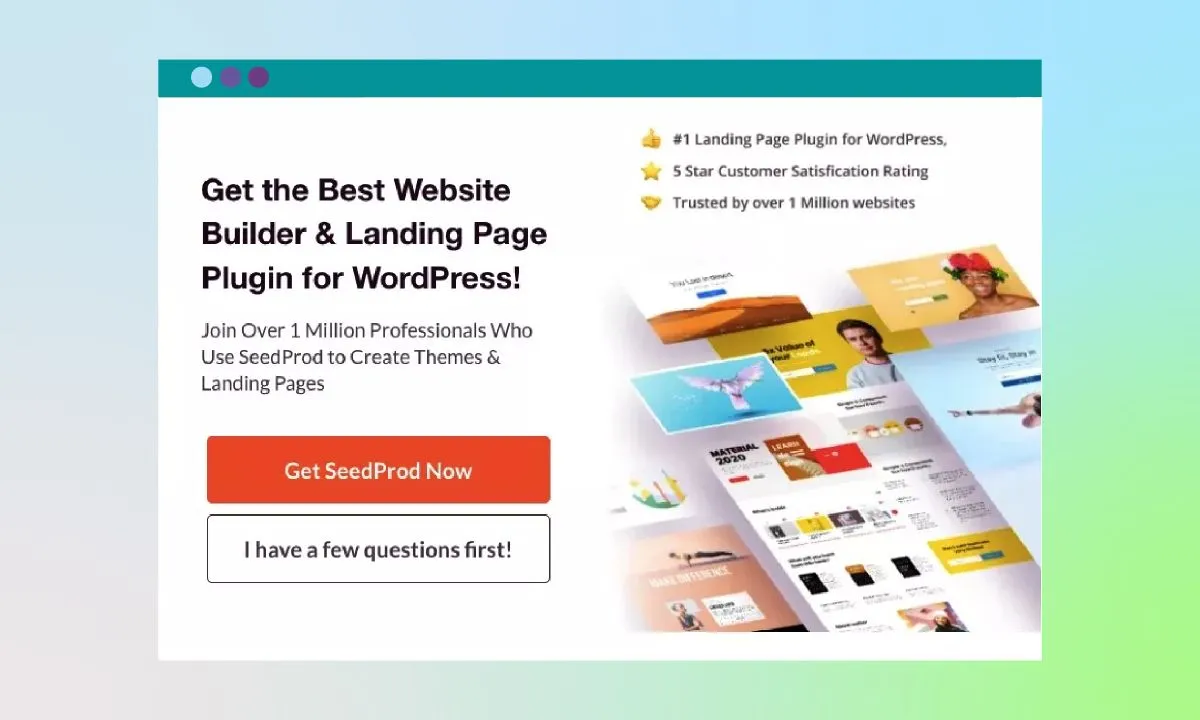
Engagement-based popups respond to deeper visitor behavior, things like multiple page views, click activity, or browsing session length. Instead of blasting the same message to everyone, they react to real signals.
A person clicking on several product specs might see a targeted offer. A reader who has devoured multiple blogs on a single topic could be shown a related e-book or guide.
Such granular targeting makes the experience more personalized. Plus, the offerings are timely, relevant, and valuable. This increases the value proposition of engagement-based popups.
Benefits
- Target users based on real behavior, not guesswork
- Deliver popups that match specific interests
- Encourage deeper exploration of content or products
- Build stronger connections through personalization
Use Cases
- Visitors clicking on product specs but not converting
- Readers exploring multiple blog posts in one session
- Returning visitors who engage with specific categories
3 Brands Using Content Trigger Popups in Real Time
Here are real examples of brands using hyper-personalized popups in smart ways. Each one shows how a well-timed trigger can make a big difference.
Crossrope: Boosting Email Sign-Ups with Exit-Intent Popups
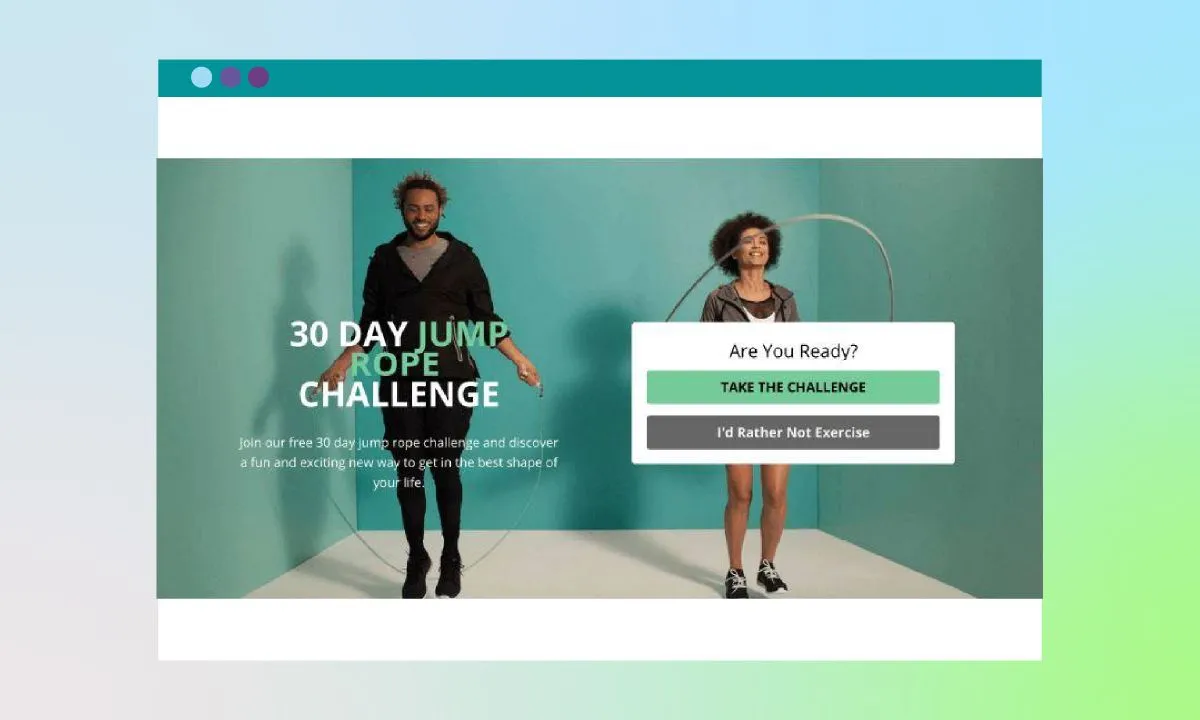
Crossrope implemented exit-intent popups to re-engage visitors showing signs of leaving their site. In an attempt to capture potential leads before they exit, these popups offered a 10% discount.
Such timely action led to a 900% increase in email sign-ups and recovered nearly 8% of abandoned visitors. The targeted timing and offer significantly boosted their conversion rates.
Casio UK: Leveraging Smart Discount Popups for Higher Conversions
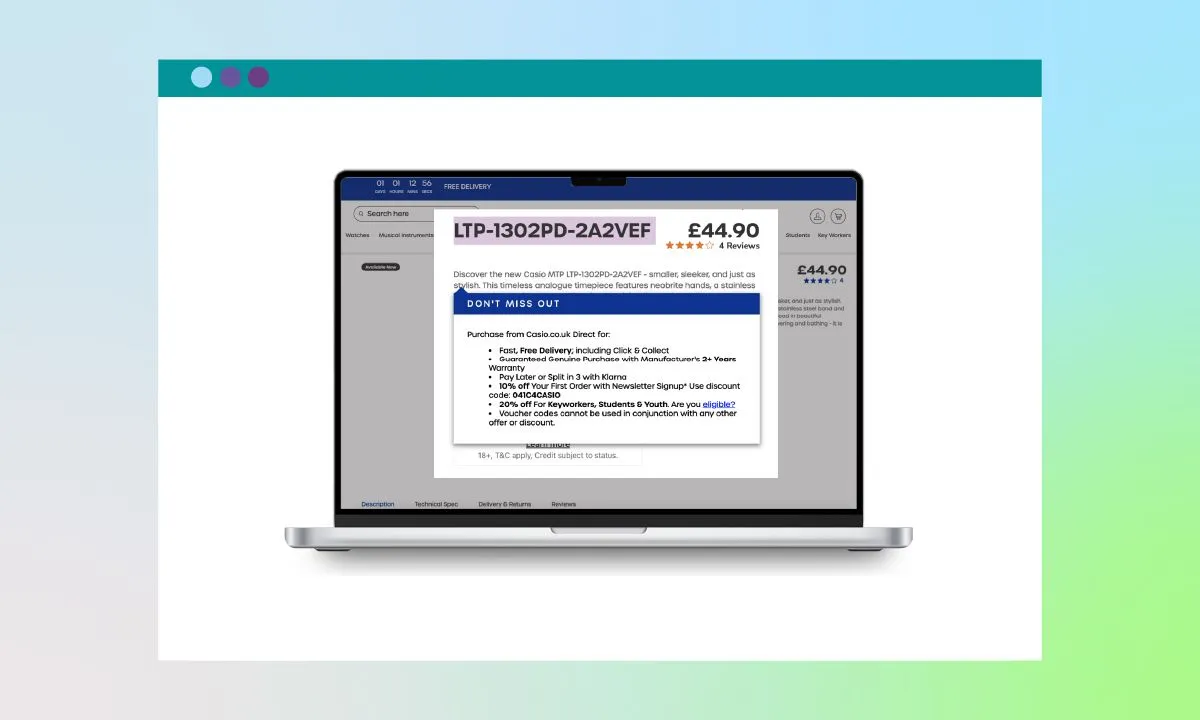
Casio UK utilized Nosto's technology to deploy smart discount popups. These popups were triggered when users copied product details, indicating purchase intent.
They offered unique discount codes, maintaining Casio's premium branding. This strategy resulted in conversion rates up to 40%, effectively driving sales while preserving brand integrity.
Help Scout: Capturing Engaged Readers with Scroll-Triggered Popups
Help Scout optimized its blog content with scroll-triggered popups. These popups appeared once a reader had scrolled through a significant portion of an article. By ensuring that only engaged visitors get a nudge through these popups, HelpScout improved the probability of newsletter sign-ups.
The straightforward message paired with the unobtrusive nature of scroll-triggered popups granted a positive user experience while capturing high-quality leads for ongoing engagement.
Best Practices for Maximizing Popup Conversion Rates
Even the smartest triggers won’t work without the right execution. Here are four best practices that help create top-notch conversion rate optimization popups.
Contextualize and Personalize Messaging
Your popup should feel like a continuation of the user’s journey. If someone’s on a blog about social media tips, offer a free e-book on the same topic. Similarly, on a product page, share a discount code or demo. Matching the popup’s content to the visitor’s context builds trust and relevance.
Limit Popup Frequency
As with any marketing technique, less is more. Overloading visitors with multiple popups can push them away. And honestly, it can easily make your website look spammy.
Set rules to limit how often popups appear within a session or per visitor. A single well-timed popup can outperform five scattered ones.
Deploy A/B Testing
We hate to break it to you, but there’s no universal “perfect” popup. So, what’s worked once may not work all the time, and with everyone!
This is why you need A/B testing to align campaigns against audience preferences and behaviors. Test variations in design, timing, and copy to see what resonates best.
Integrate Popups With Email Nurture Flows
A popup is just the start. Connect signups directly to segmented email flows so visitors receive tailored follow-ups. Personalized email & popup tools keep the conversation going and transform a one-time action into a long-term relationship.
Be careful not to overdo it, as sending too many emails can increase the risk of landing in spam. Also, double-check that your email server settings are properly configured to ensure smooth delivery. Using a VPN server can significantly help you. This way, your email traffic is encrypted and secured.
Why Choose MailMunch for Personalized Content Popups
Plenty of tools can create popups, but MailMunch makes it effortless to design, test, and scale behavior-based campaigns that truly convert.
Ease of Creating Behavior-Based Popups Without Coding
MailMunch makes it fast and simple to launch popups and opt-in forms. You don’t need to code.
The drag-and-drop editor, visual form builder, and pre-designed templates let you set up scroll-depth, exit-intent, time-based, or engagement-based popups by defining rules in the UI. Display conditions, triggers, and layout adjustments are all handled via user-friendly controls.
Advanced Targeting and Segmentation Features
Instead of “one size fits all,” MailMunch allows you to segment visitors based on behavior (visits, form activity), tags, source of traffic, device type, and more. This helps you deliver highly relevant popups.
For example, showing different messages to returning visitors vs first-time ones. Combined with advanced rules for when and where popups appear, this ensures minimal wasted impressions.
Automations & Full-Funnel Email Nurturing
Popups are just the entry point. With MailMunch’s Automations, you can build journeys triggered by behavior: new signups, abandoned carts, tag assignments, etc.
These journeys allow follow-ups like welcome sequences or re-engagement campaigns. This feature bridges the gap from popup to long-term engagement.
Strong Integrations & Platform Ecosystem
You can connect MailMunch with popular email services (Mailchimp, AWeber, Constant Contact, etc.), e-commerce platforms (Shopify, WooCommerce), and CMSs (WordPress, Wix, etc.). These native integrations ensure popups + pop-in forms sync smoothly with existing tools. Lead data flows through your stack without friction.
Smarter Popups, Stronger Engagement
Static popups are history. And for good reason. Today’s visitors expect experiences that feel relevant, timely, and personal. In this vein, we’ve explored four hyper-personalized content trigger popups that make them fun. Scroll-depth, time-on-page, exit-intent, and engagement-based popups offer conversions without intrusion.
With MailMunch, marketers can turn these strategies into reality quickly and effectively. Smarter popups, higher conversions, and stronger customer relationships. That’s the real win!